Why 5G Is Changing the Way Smart Locks Communicate
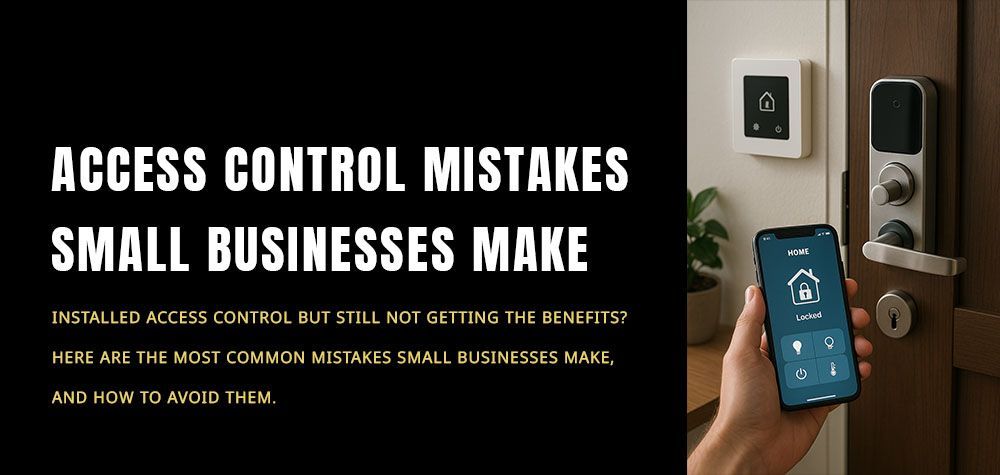
Smart locks are no longer futuristic gadgets; they’ve become part of daily life for homeowners, businesses, and even cars. These locks allow keyless entry through smartphones, passcodes, and biometrics. But what’s really changing the game is 5G technology. The rollout of 5G networks is revolutionizing how smart locks communicate, making them faster, safer, and more reliable.
Let’s explore how.
5 Ways to Childproof Your Home Locks for Safety
The Evolution of Smart Lock Communication
Traditionally, smart locks have used:
- Bluetooth for close-range access.
- Wi-Fi for remote monitoring.
- Z-Wave/Zigbee for home automation systems.
While these technologies work, they often face limitations like slow response times, interference, or dependence on strong Wi-Fi signals. Enter 5G, the next-generation network that’s changing everything.
How 5G Improves Smart Lock Performance
1. Ultra-Fast Connectivity
5G provides much higher data transfer speeds compared to 4G and Wi-Fi. This means:
- Instant lock/unlock commands from your smartphone.
- Faster sync between your lock and smart home hub.
- Seamless updates for firmware and security patches.
2. Low Latency for Real-Time Access
Latency is the delay between sending a command and the device responding. With 5G, latency is nearly zero. For smart locks, this means:
- No waiting for the door to unlock.
- Immediate alerts when someone enters or attempts access.
- Real-time monitoring even from across the world.
3. More Reliable Remote Access
Unlike Wi-Fi, which can drop or slow down, 5G ensures a more stable connection. This is crucial for:
- Businesses with multiple entry points.
- Homeowners monitoring access while traveling.
- Emergency situations where every second matters.
4. Enhanced Security Through Network Strength
5G networks use advanced encryption and authentication protocols. Combined with the lock’s built-in security, this creates:
- Stronger protection against hacking.
- Reduced risk of signal jamming or cloning.
- Safer data transmission between the lock and your device.
5. Better Integration With Smart Ecosystems
With 5G, smart locks can communicate more effectively with:
- Security cameras
- Alarm systems
- Smart assistants (like Alexa, Google Home, or Siri)
This means smoother automation, such as automatically unlocking when you arrive home or locking up when your security system arms.
"Can a Locksmith Open a Digital Lock on a Safe?"
Real-Life Applications of 5G-Powered Smart Locks
- Residential use: Families can monitor and control locks from anywhere, ensuring kids or guests always have secure access.
- Automotive use: Digital car keys using 5G enable seamless, secure entry and even remote engine start.
- Commercial use: Offices and businesses can manage employee access in real time, reducing the hassle of lost or shared keys.
Challenges to Keep in Mind
While 5G offers huge benefits, a few considerations remain:
- Coverage limitations: 5G networks are still expanding, and some areas may have weaker access.
- Device upgrades: Older smart locks may not be compatible and might need replacement.
- Cost factor: 5G-enabled devices can be more expensive initially.
How Brothers Locksmith Can Help
At Brothers Locksmith, we stay updated on the latest lock technology — including smart locks that integrate with 5G. Whether you’re looking to upgrade your home security, need automotive locksmith services, or want commercial-grade digital locks for your office, we’ve got you covered.
- Residential locksmith services: Rekeying, lock upgrades, and smart lock installations.
- Automotive locksmith services: Car lockouts, key programming, and smart key replacements.
- Commercial locksmith services: High-security access systems and smart lock solutions.
- 24/7 emergency locksmith services: Always on call for urgent help in Houston and Albam.
Call us anytime at (888) 947-5585 for professional advice and reliable service.
Call Us Any Time!