Why Some Locks Fail After a Power Outage and How to Prevent It
When the power suddenly goes out, it’s easy to focus on your lights, Wi-Fi, or appliances — but your locks might be at risk too. Electronic and smart locks rely on electrical systems to function, meaning a power failure can temporarily disable, reset, or even damage them if not properly protected. Understanding why this happens and how to prevent it can help you maintain uninterrupted home security.
How to lock down your property during extended travel or vacation?
Understanding How Power Outages Affect Electronic Locks
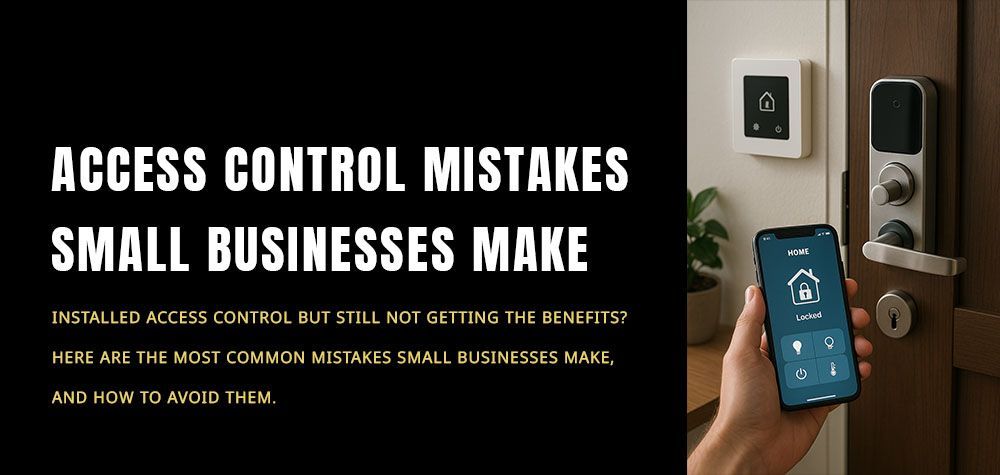
Power outages can impact electronic locks in several ways depending on their design and energy source. Most smart and electronic locks are powered either directly through wiring connected to your home’s electrical system or by batteries that require regular charging. When power is cut, wired locks lose their main energy source, causing them to either default to a fail-safe mode (unlock) or a fail-secure mode (stay locked).
For example, access control systems used in offices and apartment buildings often default to the “fail-safe” setting for safety reasons — so doors unlock during outages to prevent entrapment. In contrast, home smart locks tend to remain in the “fail-secure” mode, keeping the door locked but rendering keypads, sensors, or Wi-Fi features inactive until power is restored.
The Common Reasons Locks Malfunction After Power Loss
Even after electricity returns, some locks don’t immediately return to normal function. Here are common reasons for post-outage lock failure:
Power surges: When electricity is restored, sudden voltage spikes can damage lock circuits, sensors, or control panels.
Battery depletion: Locks relying on backup batteries might lose power if the outage lasts longer than the battery’s capacity.
System resets: Some smart locks revert to factory settings after power loss, causing users to lose saved access codes or connectivity.
Software glitches: Locks connected to smart hubs or Wi-Fi networks can desynchronize, preventing app control or remote access until reconfigured.
How to Prevent Lock Failure During Power Outages
The good news is that you can take simple preventive steps to keep your locks reliable even during electrical disruptions.
Install Surge Protectors
A surge protector acts as a safety buffer between your lock’s circuit and your home’s electrical system. It prevents high-voltage spikes from frying sensitive electronic components.
Use Reliable Backup Batteries
Ensure that your smart locks have fully charged, high-quality batteries. Opt for lithium-ion batteries, which last longer and perform better under fluctuating temperatures.
Enable Manual Override Options
Always choose locks that include a mechanical key backup or manual override system. In the event of total power loss, you’ll still have physical access.
Keep Firmware Updated
Manufacturers often release updates that improve power management and recovery performance. Keeping your smart lock’s firmware up to date helps prevent software glitches after outages.
Consider an Uninterruptible Power Supply (UPS)
For large properties or businesses with multiple electronic locks, connecting locks to a small UPS can keep them powered for several hours during outages.
Can wireless doorbells and smart locks interfere?
What to Do If Your Lock Fails After Power Loss
If your lock becomes unresponsive after power returns, follow these steps:
- Check for visible battery or wiring damage.
- Manually reset the lock according to the manufacturer’s instructions.
- Reconnect it to your app or smart home system.
- If the issue persists, contact a professional locksmith or technician to inspect for internal circuit failure.
Final Thoughts
Power outages are unpredictable, but your security shouldn’t be. By combining physical safeguards like surge protectors with digital discipline — such as firmware updates and reliable battery maintenance — you can ensure your locks remain dependable under all conditions. Investing a little time in preventive care today could save you from costly repairs or lockouts tomorrow.
Call Us Any Time!