Why Your Sliding Door Is the Weakest Entry Point
When homeowners think about security, their focus usually goes straight to the front door. Deadbolts, smart locks, cameras—all installed with care. Meanwhile, the sliding door quietly remains the most vulnerable entry point in the entire home.
Sliding doors are attractive, convenient, and great for natural light—but from a security standpoint, they are often poorly designed, lightly secured, and easy to exploit. This isn’t fear-mongering; it’s one of the most consistent observations locksmiths make during break-in repairs.
Understanding why sliding doors are so weak is the first step toward properly securing them.
Top Things That Damage Car Transponder Keys Accidentally
Sliding Doors Are Designed for Convenience, Not Security
Sliding doors are built to glide smoothly, not to resist force. Unlike hinged doors, they do not rely on pressure against a solid frame when locked. Instead, they slide along a track, which immediately limits how secure the locking mechanism can be.
Most manufacturers prioritize ease of use, aesthetics, and cost reduction over high-grade security hardware. As a result, many sliding doors are shipped with locks that meet only the most basic safety standards.
Factory-Installed Sliding Door Locks Are Often Minimal
The majority of sliding doors come with a simple latch-style lock, not a true deadbolt. These locks are usually:
- Surface-mounted
- Made from lightweight materials
- Easy to disengage with pressure or vibration
In many cases, the lock only secures the door to the frame at a single point, which provides little resistance against forced entry.
Sliding Doors Can Be Lifted Off Their Tracks
One of the biggest security flaws is something most homeowners never consider: sliding doors can often be lifted upward and removed from the track.
If the door rollers are worn or improperly adjusted, an intruder can:
- Lift the door vertically
- Tilt it inward
- Remove it entirely
This method requires no lock picking and very little noise.
Large Glass Panels Make Sliding Doors Easy Targets
Sliding doors typically consist of large glass panels, which introduce multiple vulnerabilities.
Glass doors:
- Are easier to break than solid doors
- Allow intruders to see inside your home
- Make it easy to locate valuables and assess occupancy
Even tempered glass, while safer when shattered, still allows entry once broken.
Sliding Door Locks Are Rarely Reinforced at the Bottom or Top
Most sliding door locks engage at the side of the frame only. There is usually no reinforcement at the top or bottom, meaning the door can flex under pressure.
This flexing allows:
- The lock to disengage
- The frame to warp
- The latch to slip free
Hinged doors, by contrast, distribute force across multiple points.
Worn Tracks and Rollers Reduce Lock Effectiveness Over Time
As sliding doors age, their tracks collect dirt, debris, and corrosion. Rollers wear down, causing the door to sag slightly.
This sagging:
- Misaligns the lock
- Reduces how deeply the latch engages
- Makes forced entry easier
Many homeowners don’t notice this gradual degradation until after a security incident.
Sliding Doors Are Often Installed at the Rear of the Home
Location matters.
Sliding doors are commonly placed:
- In backyards
- On patios
- Away from street view
These areas are less visible to neighbors and passersby, making them more attractive to intruders who prefer low-risk entry points.
Poor Lighting Around Sliding Doors Increases Risk
Dimly lit patio and backyard areas provide cover for unauthorized access attempts. Without motion lighting or visibility, intruders can work on a sliding door without being noticed.
Security is as much about deterrence as it is about physical resistance.
Upgrading From Key Copies to Digital Access — What People Don’t Consider
Many Homeowners Rely on Temporary or Inadequate Fixes
Common DIY solutions include:
- Wooden sticks or broom handles in the track
- Cheap aftermarket locks
- Improvised blockers
While these can help, they are often inconsistent, easy to forget, or ineffective against determined force.
Smart Home Security Often Overlooks Sliding Doors
Alarm systems and smart locks frequently prioritize front and garage doors. Sliding doors are either:
- Not connected to sensors
- Protected only by basic glass-break detectors
This leaves a major gap in otherwise modern security setups.
How Professional Locksmiths Reinforce Sliding Door Security
Locksmiths approach sliding doors differently than standard doors. Rather than relying on a single lock, they focus on layered security.
Multi-Point Locking Systems Add Real Resistance
Upgrading to a multi-point lock allows the door to secure at multiple locations along the frame. This dramatically increases resistance to force and prevents flexing.
Track Locks and Pin Locks Prevent Lifting and Sliding
Professional-grade track locks and pin locks stop both horizontal movement and vertical lifting. These devices are discreet, strong, and far more reliable than makeshift solutions.
Reinforced Frames and Strike Plates Improve Structural Strength
Locksmiths can install reinforced strike plates and adjust frames to ensure the lock engages fully and deeply, not just superficially.
Security Film and Glass Upgrades Delay Forced Entry
Applying security film or upgrading to laminated glass makes shattering far more difficult. Even if the glass breaks, entry is delayed—often enough to deter the attempt entirely.
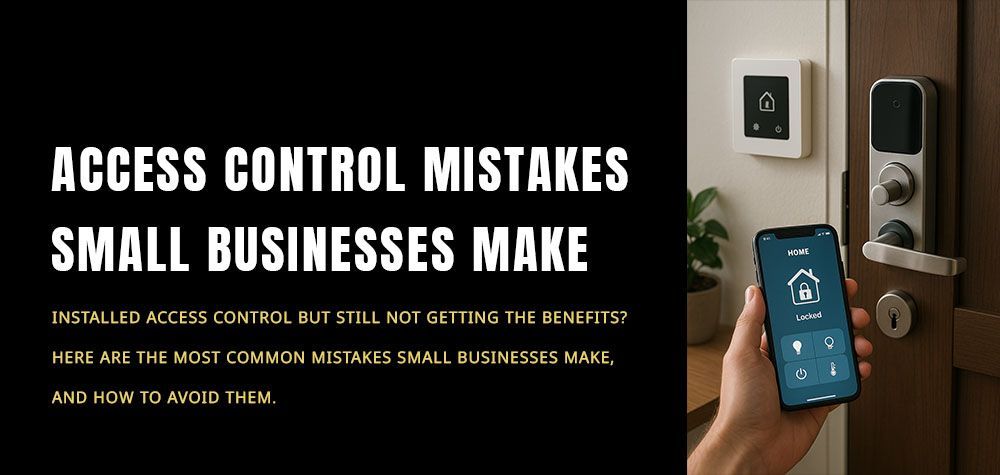
Smart Sliding Door Locks Offer Monitoring and Control
Modern sliding door locks can integrate with smart home systems, providing:
- Auto-locking
- Entry alerts
- Remote monitoring
These features add accountability and awareness, not just physical resistance.
Why Sliding Door Security Should Never Be an Afterthought
Sliding doors aren’t inherently bad—but they are under-secured by default. Treating them with the same seriousness as your front door closes one of the most common security gaps in residential homes.
Professional locksmiths frequently find that homes with strong front-door security are still compromised through sliding doors.
Final Thoughts: The Weakest Entry Point Is Often the Most Ignored
Your sliding door may be beautiful and functional, but without proper reinforcement, it remains one of the easiest ways for intruders to enter your home. Addressing its vulnerabilities doesn’t require sacrificing style—only awareness and proper upgrades.
A security assessment by a professional locksmith can identify weaknesses and recommend solutions tailored to your door, layout, and lifestyle.
Call Us Any Time!