How Weather Affects Your Locks and What to Do About It
Ever noticed your key suddenly not turning as smoothly as it used to? Or a door lock that works fine in spring but gets stubborn in winter? You’re not imagining things — weather has a direct impact on your locks, and it can affect their functionality, lifespan, and your overall security.
Whether it’s freezing cold, blazing hot, humid, or wet — your locks feel it too. And just like the rest of your home, they need care and attention through the seasons.
In this article, we’ll break down how different types of weather affect locks, the signs to watch for, and most importantly — what you can do to prevent long-term damage and costly repairs.
"How Often Should You Replace Your House Locks?"
Why Weather Matters When It Comes to Locks
Locks may seem sturdy and weather-proof — and to an extent, they are. But they’re also made of metal, often contain moving parts, and are fitted into wooden or metal doors that expand or contract with temperature changes.
This means that seasonal shifts in temperature, humidity, and precipitation can lead to problems like:
- Rust and corrosion
- Key jamming
- Misalignment
- Lock freezing
- Internal wear and tear
Understanding how and why these problems occur is the first step in keeping your locks working smoothly all year round.
Cold Weather and Your Locks: The Winter Struggle
What Happens
When temperatures drop below freezing, moisture in the air — or already inside your lock — can freeze. This can result in:
- Keys not turning
- Lock cylinders becoming stiff
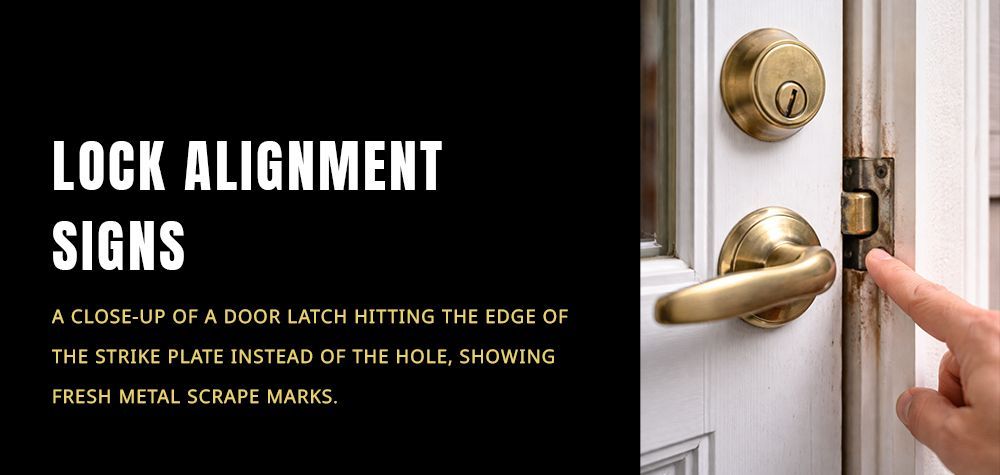
- Doors warping and misaligning with the strike plate
- Frozen car locks, especially in older models
This is especially common when there’s snow, rain, or even just high humidity that later freezes overnight.
What You Can Do
Prevention is better than repair. Try these tips:
- Apply a graphite-based lubricant before winter starts — never use WD-40, which attracts dirt.
- Keep a small lock de-icer handy for emergency situations.
- Wipe down outdoor locks after rain or snow to prevent moisture buildup.
For car locks, you can also tape over the keyhole if your car isn’t remote-access — it helps keep water out.
And if your lock does freeze? Don’t pour hot water on it — that’s a temporary fix that may cause more damage. Instead, use a de-icing spray or a hair dryer on low heat if available.
Hot Weather: Expanding Metal and Sticky Situations
What Happens
In extreme heat, metal parts inside your lock can expand, and wooden doors or frames can warp, causing:
- Difficulty inserting or turning the key
- Locks that feel “sticky” or sluggish
- Misalignment between the lock and strike plate
Humidity, especially in coastal or tropical areas, only makes things worse by encouraging rust or swelling in wooden components.
What You Can Do
Use a silicone-based lubricant during hot months — it works well with expanding metals.
Check your door alignment — sometimes a few hinge adjustments can make a big difference.
Keep your door in the shade if possible, or install a canopy to prevent direct sunlight from beating down on the door and lock.
If you live in a high-humidity area, consider upgrading to weather-resistant locks, which are designed to withstand expansion and rust.
Rain and Humidity: Rust’s Best Friends
What Happens
Excess moisture — whether from rain, high humidity, or living near water — can creep into your locks and start the slow process of corrosion. This doesn’t just affect how smoothly the lock turns — it can weaken internal components, making your locks easier to break or pick.
- Over time, rust can cause:
- Stiff or jammed locks
- Internal mechanisms to seize up
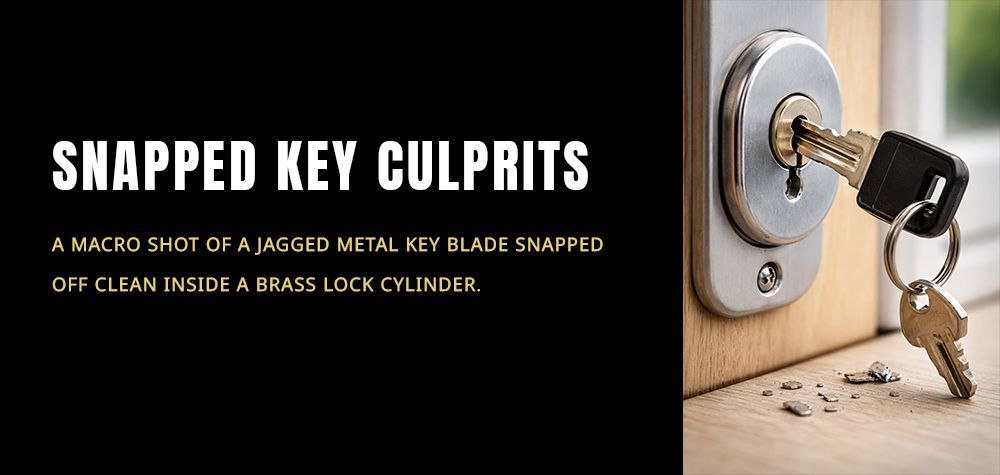
- Key breakage due to added friction
- Entire lock failure
What You Can Do
Clean and dry locks regularly, especially during monsoon or wet seasons.
Install weather shields or door sweeps to reduce exposure to rain.
Use rust-inhibiting lubricants every 2-3 months.
Replace outdoor locks with stainless steel or brass models, which are more rust-resistant than iron or standard metal options.
Wind and Dust: The Invisible Lock Killers
What Happens
Wind may seem harmless — but it often carries dust, sand, and debris, which can creep into your locks and cause internal abrasion. This kind of damage is often overlooked but can shorten your lock’s life significantly.
Especially in dry, dusty regions or during windy seasons, locks can become:
- Rough to turn
- Clogged internally
- More susceptible to wear and tear
What You Can Do
- Use weather caps on outdoor locks.
- Clean locks with compressed air every few months to remove dust buildup.
- Avoid over-lubrication — excess oil can attract more dust and worsen the problem.
- Keep doors and gates closed during high-wind events to reduce direct exposure.
Signs Your Lock Is Weather-Damaged
Not sure if the weather’s to blame for your sticky or stubborn lock? Watch for these warning signs:
- The key no longer turns smoothly
- You need to jiggle the key for it to work
- The lock feels loose or the cylinder is turning freely
- You notice visible rust, cracks, or discoloration
- Your key gets stuck or breaks inside the lock
Don’t wait until your lock fails completely. These early signs mean it’s time for maintenance — or a professional checkup.
When to Call a Locksmith
DIY maintenance is great, but sometimes the damage goes deeper than surface level. Call a professional locksmith if:
- Your key has broken off inside the lock
- The lock freezes repeatedly
- The internal pins are worn or rusted
- Realignment doesn't fix a sticky or misaligned door
- You’re considering upgrading to weatherproof smart locks or keyless entry systems
A locksmith can inspect, repair, rekey, or replace locks based on your local climate conditions, ensuring longer-lasting performance.
Weather-Proofing Tips for Every Season
Spring and Fall:
Inspect locks for leftover winter or summer damage.
Re-lubricate and clean all exterior locks.
Schedule annual maintenance with a local locksmith.
Summer:
Monitor door swelling and adjust hinges.
Switch to heat-friendly lubricants.
Winter:
Lubricate before the first frost.
Keep de-icers handy.
Cover exposed locks.
Conclusion: Treat Your Locks Like You Treat the Rest of Your Home
Just like your roof, plumbing, or HVAC system, your locks are season-sensitive. And while they’re small, they play a massive role in your security and daily comfort.
By understanding how weather affects locks and taking a few simple steps throughout the year, you can avoid breakdowns, extend lock life, and stay secure no matter what Mother Nature throws at you.
If you're already seeing the signs of weather-related damage, don’t wait for a complete lockout or failure. Reach out to a professional locksmith and let the experts handle the fix — before it becomes a bigger, more expensive problem.
Call Us Any Time!