Can Wireless Doorbells and Smart Locks Interfere?
As smart home devices become increasingly common, homeowners often install wireless doorbells, smart locks, cameras, and other connected gadgets without considering how they interact with one another. While these devices make life more convenient and secure, their reliance on wireless communication can sometimes lead to signal interference. Understanding how wireless doorbells and smart locks work — and how they can potentially interfere — is key to ensuring both perform reliably.
How to integrate locks with home automation systems
Understanding How Wireless Doorbells and Smart Locks Communicate
Both wireless doorbells and smart locks rely on radio frequency (RF) signals to function. Most use Wi-Fi, Bluetooth, or Zigbee/Z-Wave to send and receive data.
Wireless doorbells connect to Wi-Fi or a proprietary RF frequency to transmit a signal from the doorbell button to the indoor chime or app.
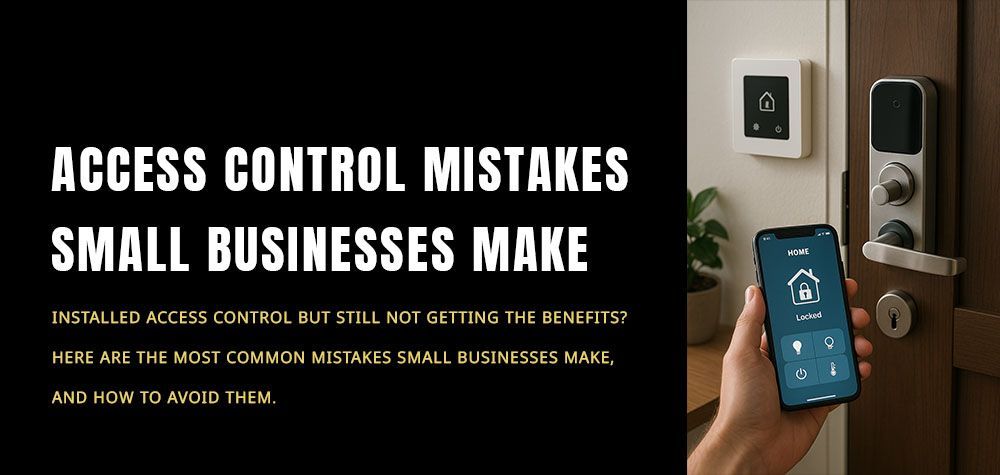
Smart locks often rely on Wi-Fi or Bluetooth for app-based control, allowing users to lock or unlock doors remotely.
When multiple devices operate on similar frequencies, their signals can overlap or clash, causing reduced performance or unexpected behavior — a phenomenon known as wireless interference.
How Interference Can Occur
Interference typically happens when two or more devices are transmitting data over the same channel or frequency range. For example, many Wi-Fi-based doorbells and smart locks operate on the 2.4 GHz frequency band, which is also used by most home routers, smart cameras, and even microwave ovens.
If these devices are placed too close together or use the same frequency channel, they can compete for bandwidth. This might cause delayed responses, connectivity drops, or temporary malfunctions in either the smart lock or doorbell.
In rare cases, a strong signal from one device can overpower the other’s receiver, making it difficult for your smart lock to stay connected to your home network or app.
Signs Your Devices Might Be Interfering
Homeowners may not always realize that wireless interference is the cause of their device problems. Some common signs include:
- Your smart lock occasionally disconnects from Wi-Fi or becomes unresponsive to app commands.
- The wireless doorbell fails to chime, or there’s a delay in notifications on your phone.
- Both devices work fine individually but act up when operating simultaneously.
- Your Wi-Fi signal appears weaker near the front door.
While these issues can stem from weak network coverage or battery problems, interference between devices should be considered if both started malfunctioning around the same time.
Placement Matters More Than You Think
The physical location of your wireless devices can significantly impact their performance. Installing your doorbell and smart lock too close together — for example, both on the same door frame — increases the likelihood of overlapping signal fields.
To reduce interference:
- Maintain a few inches of separation between your doorbell and smart lock.
- Avoid placing both devices directly next to metal surfaces, as metal reflects and distorts RF signals.
- If possible, connect one device (usually the doorbell) to a different frequency band such as 5 GHz, which most smart locks don’t use.
Small placement changes can dramatically improve signal clarity and consistency.
Wi-Fi Channel Congestion and Network Overload
Another common cause of interference is Wi-Fi channel congestion. Most routers automatically assign channels to connected devices, but when too many operate on the same frequency band, signals can collide.
You can fix this by:
- Logging into your router’s settings and manually changing the Wi-Fi channel.
- Assigning one device (for instance, your doorbell) to a guest network or dedicated IoT network.
- Using routers that support dual-band or tri-band Wi-Fi, can better distribute the load.
This separation helps reduce digital “traffic jams” that can cause devices like smart locks or doorbells to lose connectivity.
The Role of Smart Home Hubs
If your devices use Zigbee or Z-Wave instead of Wi-Fi, interference is much less likely. These protocols are specifically designed for smart home ecosystems and run on separate frequencies. However, even Zigbee devices can interfere with Wi-Fi if your hub is poorly positioned.
Placing your smart home hub at least a few feet away from your Wi-Fi router helps avoid cross-signal noise. Additionally, regularly updating your devices ensures their firmware manages communication efficiently.
How to secure utility room doors and service entrances
Troubleshooting and Fixing Interference Issues
If you suspect interference between your smart lock and wireless doorbell, try these steps:
Restart both devices and your router to refresh connections.
Relocate one device slightly away from the other to minimize overlapping signals.
Switch Wi-Fi channels or frequency bands via your router settings.
Update firmware for all connected devices, as manufacturers often release fixes for signal issues.
If all else fails, consult a professional locksmith or home automation technician to assess your setup.
Sometimes, interference isn’t just about proximity — it could also be due to network configuration or signal routing that only an expert can diagnose accurately.
Preventive Measures for Reliable Performance
To prevent interference in the long run:
Invest in devices that support dual-band connectivity (2.4 GHz and 5 GHz).
Use mesh Wi-Fi systems to ensure consistent coverage throughout your property.
Keep your router and smart devices’ firmware regularly updated.
Avoid clustering too many wireless devices near entry points.
Planning your smart home layout from the beginning can save you from future headaches caused by overlapping signals.
Final Thoughts
Wireless doorbells and smart locks are both incredible innovations that add convenience and safety to modern homes. However, when they operate in the same frequency range, signal interference can cause erratic behavior. The good news is that this issue is easily avoidable with proper placement, smart configuration, and regular maintenance.
By understanding how these systems communicate — and giving them a bit of digital breathing space — you can enjoy a fully connected, secure home without interruptions.
Call Us Any Time!