Why Older Locks Don’t Meet Today’s Security Standards
Many homeowners assume that if a lock still works, it’s still secure. Unfortunately, functionality and security are not the same thing. Locks installed years — or even decades — ago were designed for a different era, one where burglary techniques were less advanced and security technology was more limited. Today’s intruders often rely on faster, quieter, and more effective methods, leaving outdated locks struggling to provide real protection. Understanding why older locks fall short can help you make smarter decisions about upgrading your home’s security and avoiding vulnerabilities you didn’t know existed.
Should You Upgrade Locks After a Neighborhood Break-In?
The Evolution of Burglary Techniques Over Time
As lock technology has evolved, so have the tactics used to defeat it. Modern burglars often carry specialized tools that can bypass traditional lock mechanisms within seconds. Techniques such as lock bumping, picking, drilling, and forced entry are widely documented and require minimal skill when used against older hardware.
Many legacy locks lack internal reinforcements or advanced pin systems that resist these methods. What once felt like strong protection can now become a weak link, especially if criminals have already tested similar locks in your area. This shift highlights why relying on outdated hardware may create a false sense of security.
Material Wear and Structural Weakness in Aging Locks
Even high-quality locks degrade over time. Years of daily use, exposure to weather, and internal friction gradually weaken components, making them easier to manipulate or break. Older locks often develop looseness, corrosion, or internal misalignment that reduces resistance to forced entry.
Signs of aging hardware don’t always appear dramatic. A lock may still turn smoothly while its internal pins or springs have weakened enough to compromise security. This hidden deterioration is one of the most common reasons older locks fail to meet modern standards.
Lack of Anti-Tamper Features in Traditional Lock Designs
Modern security locks are built with advanced features specifically designed to counter known intrusion techniques. Older locks, however, were created before many of these threats became widespread, meaning they lack built-in protection against common attacks.
Some missing features in outdated locks include:
- Anti-bump pins that prevent rapid key impact manipulation
- Drill-resistant plates protecting the cylinder from damage
- Pick-resistant mechanisms with complex pin configurations
- Reinforced strike plates and hardened bolts
- Smart detection or alert capabilities
Without these protections, traditional locks often provide minimal resistance against even basic intrusion attempts, making them less effective as a primary security measure.
Outdated Lock Grades and Security Ratings
Lock security isn’t just about appearance — it’s measured through industry grading systems that evaluate strength, durability, and resistance to forced entry. Many older residential locks fall into lower-grade categories because they were manufactured before stricter standards became common.
Lower-grade locks typically feature thinner metal components, shorter deadbolts, and weaker mounting hardware. These limitations make doors easier to kick in or pry open, regardless of how solid the door itself appears. Upgrading to modern, higher-grade locks significantly increases the time and effort required for entry, often deterring burglars altogether.
Key Control Issues With Older Lock Systems
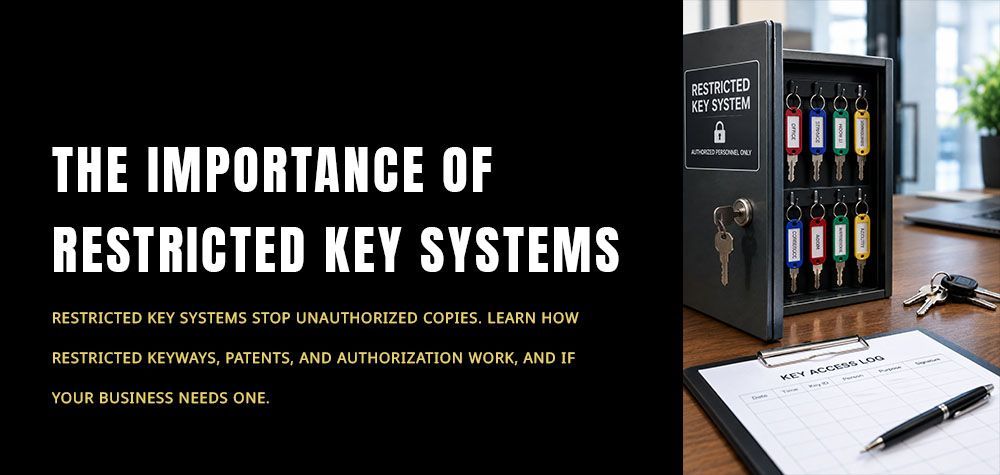
Another overlooked problem with aging locks is poor key control. Traditional keys are easy to duplicate at hardware stores without authorization, meaning extra copies may exist without your knowledge. Over time, previous homeowners, tenants, contractors, or even acquaintances may still have working keys.
Modern high-security locks address this issue through restricted keyways and controlled duplication systems. Without these safeguards, older locks create uncertainty about who may still have access, reducing overall security even if the lock itself hasn’t been physically compromised.
Compatibility Challenges With Modern Security Upgrades
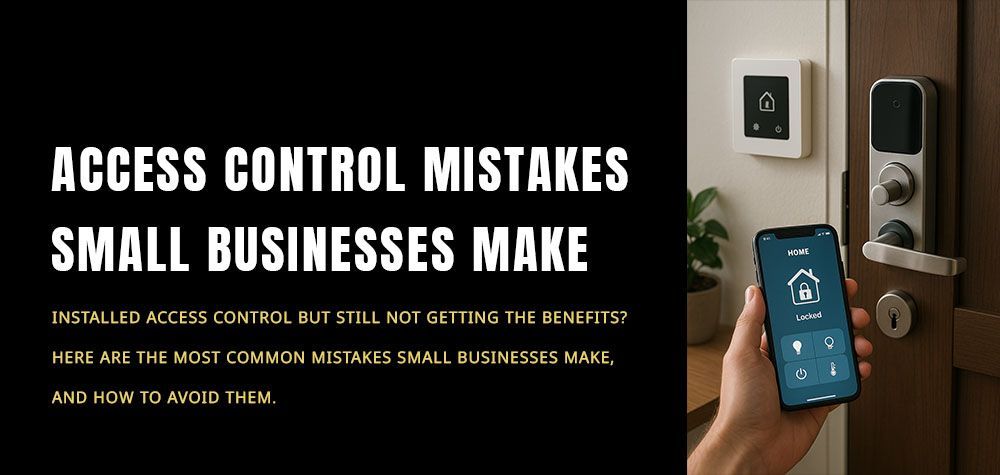
As home security becomes more connected and layered, older locks may not integrate well with new technologies. Smart locks, access control systems, and advanced monitoring features often require compatible hardware or updated door configurations.
Homeowners attempting to add modern security tools sometimes discover that outdated locks limit their options. This incompatibility can delay upgrades, create installation challenges, or force partial security solutions rather than a fully integrated system.
Why Your Key Snaps Inside the Lock (Common Causes)
Why Older Locks Increase the Risk of Forced Entry
Burglars typically look for the easiest target rather than the most valuable one. Older locks can signal vulnerability because they often lack visible reinforcement and modern design cues. Weak deadbolts, worn cylinders, or outdated knob locks may suggest that a home hasn’t been recently upgraded.
From a practical standpoint, aging locks may also fail faster under pressure. Shorter screws, thin strike plates, and weakened bolts reduce the door’s ability to withstand kicking or prying attempts. These structural weaknesses turn the lock into a point of failure rather than a protective barrier.
Benefits of Upgrading to Modern Lock Technology
Replacing older locks isn’t just about preventing break-ins — it’s about enhancing overall convenience, durability, and control. Today’s lock options combine mechanical strength with user-friendly features that improve everyday security habits.
Key advantages of modern locks include:
- Stronger materials and reinforced internal components
- Enhanced resistance to picking, drilling, and bumping
- Improved key control and restricted duplication systems
- Integration with smart home security technology
- Greater durability and longer service life
These improvements create both immediate and long-term value, offering protection that aligns with current security expectations rather than outdated standards.
When to Consider a Lock Upgrade Instead of Repairs
Some homeowners attempt to extend the life of older locks through repairs or minor adjustments. While maintenance can temporarily improve performance, it rarely addresses structural limitations or missing security features. If your locks are more than a decade old, frequently sticking, or showing visible wear, replacement is often more effective than repair.
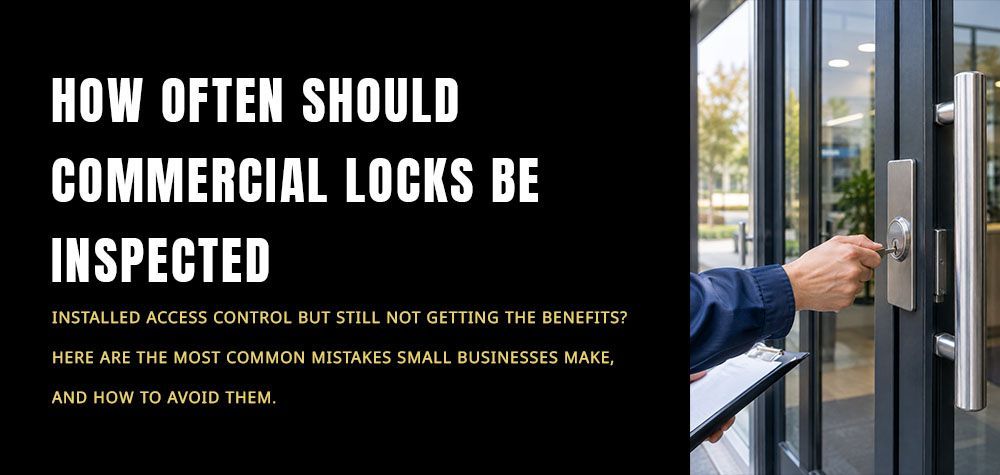
A professional locksmith can evaluate whether your hardware still meets safety expectations or if upgrading would provide better protection and reliability. This assessment ensures your decision is based on actual security needs rather than guesswork.
Final Thoughts: Security Should Evolve With Time
Home security isn’t static. Just as technology advances and lifestyles change, so do the methods used by intruders. Older locks that once offered reliable protection may now fall short against modern threats, hidden wear, and evolving burglary techniques. Upgrading doesn’t mean your previous locks were poor — it means you’re adapting to today’s security realities and prioritizing proactive protection for your home and family.
Ready to Replace Outdated Locks With Stronger Protection?
If your home still relies on aging locks, now is the perfect time to explore safer, more advanced options. Brothers Locksmith provides expert lock inspections, rekeying, and high-security lock upgrades designed to meet today’s security standards. Our experienced technicians help homeowners transition from outdated hardware to reliable protection without stress or confusion.
Contact Brothers Locksmith today to schedule a professional lock assessment and upgrade your home’s security with confidence.
Call Us Any Time!