Moving Into a New Apartment? Here's Your Complete Lock Checklist
Moving into a new apartment is exciting, but before you get too comfortable, there’s one thing you shouldn’t overlook: your locks. They’re your first line of defense against unwanted access, and making sure they’re secure can save you a lot of stress later. In this guide, we’ll walk you through a complete lock checklist to keep your new home safe and secure.
When to Call a Locksmith vs. DIY Lock Repair
Why Locks Should Be Your First Priority
You never really know how many people had access to the apartment before you — previous tenants, property managers, maintenance workers, or even cleaning staff. If you skip updating your locks, you’re leaving your safety to chance. A few proactive steps now can help you feel secure from day one.
1. Replace or Rekey the Locks
Before moving in, consider either:
Replacing the locks: Ideal if the existing locks are old, rusted, or flimsy.
Rekeying the locks: A cheaper alternative if the hardware is solid. A locksmith simply changes the internal pins so old keys won’t work.
Rekeying is especially cost-effective for apartments where you can’t change the lock style.
2. Upgrade to Smart Locks
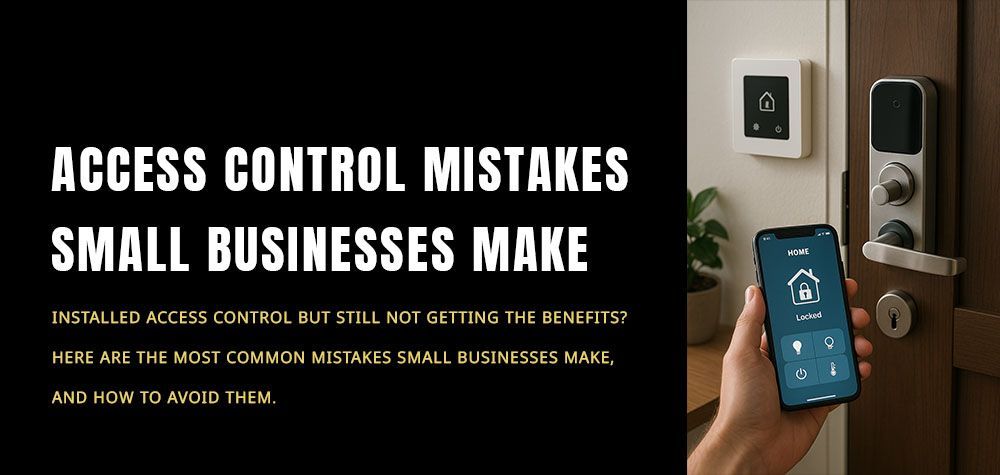
If your landlord allows it, upgrading to smart locks can make life much easier. You can:
- Use passcodes instead of keys.
- Control access remotely.
- Get alerts when someone enters your apartment.
Smart locks also let you grant temporary access to guests or service providers without handing over a physical key.
3. Check Deadbolts and Strike Plates
Your locks are only as strong as their supporting hardware. Inspect your deadbolts and strike plates to make sure they:
- Are tightly installed.
- Extend fully into the doorframe.
- Are made of heavy-duty metal.
Upgrading to a reinforced strike plate can make your door much harder to kick open.
4. Secure Sliding Doors and Windows
Apartment safety isn’t just about the front door. Check your balcony doors and accessible windows too:
- Install sliding door locks or security bars.
- Use window pin locks or sash jammers for extra protection.
These small upgrades can close off easy entry points for intruders.
5 Ways to Childproof Your Home Locks for Safety
5. Test Existing Keys and Spare Sets
Ask your landlord how many copies of the keys exist and who has them. Test each key to ensure:
- It works smoothly.
- It matches the right lock.
- No unauthorized spares are floating around.
If in doubt, get the locks rekeyed — it’s worth the peace of mind.
6. Consider Adding a Door Chain or Peephole
For extra security, especially if you live alone, add simple upgrades like:
- Door chains or swing bars to control how far a door opens.
- Wide-angle peepholes to see who’s knocking before opening.
These low-cost fixes make a big difference in daily safety.
7. Schedule a Professional Lock Inspection
Even if everything looks fine, hiring a professional locksmith for a one-time inspection can catch weak spots you might miss. They can:
- Check for outdated locks.
- Recommend security upgrades.
- Ensure compliance with apartment policies.
This is especially useful if your building has older doors or shared access points.
Final Thoughts
Moving into a new apartment comes with a lot of responsibilities, but securing your locks should always be at the top of your list. Whether you replace, rekey, or upgrade to smart locks, these steps give you control over who has access to your home. A little effort now means peace of mind later.
And if you’re ever unsure, don’t hesitate to call a professional locksmith. They can handle everything from rekeying to installing advanced security solutions, so you can focus on settling into your new space.
Call Us Any Time!