Should You Change Locks After a House Cleaner or Repairman Visit?
There’s something oddly unsettling about realizing a stranger—no matter how polite or professional—has walked through your home while you weren’t there. Maybe it was your house cleaner, an appliance repair technician, the plumber, or the painter. And now, the thought hits you:
“Should I change my locks after this visit?”
This is a question homeowners don’t usually ask out loud, but they think about it more often than you’d imagine. As locksmiths, we’ve seen everything from harmless situations to full-blown security risks that started with a simple service visit. That’s why this topic matters—because your peace of mind starts with the doors that protect your home.
How to Tell If Your Home Is Being Targeted for a Break-In
Why letting someone into your home can become a security risk—even unintentionally
Most service workers are honest people simply doing their jobs. But access is access. Anyone inside your home can observe how your locks work, whether your backdoor fully latches, or whether your spare key bowl is sitting on the kitchen counter.
Even if they never misuse that information, your home’s exposure increases, and that alone raises the question of whether your locks need a security refresh.
Locksmiths like Brothers Locksmith often get calls from people who say things like:
- “The contractor was the last person with access before something went missing.”
- “My cleaner left on good terms, but I don’t want her old employee having the spare key.”
- “A different technician showed up than the one the company promised.”
Security concerns don’t always come from distrust—they come from being practical.
Do professionals have access to your keys without you realizing?
This surprises many homeowners, but yes—there are subtle ways key access can happen:
1. Keys can be briefly borrowed or copied in under 2 minutes
A quick photo. A fast duplication. A key impression made using a soft material.
These things don’t require your physical key to be gone for long.
2. Some cleaning staff operate in teams
You may trust the main cleaner, but today’s shift might include someone you’ve never met.
3. Unvetted third-party contractors
If a plumbing company outsources a job to a freelancer, you might not know who actually entered your home.
You’re not being paranoid—you’re simply acknowledging real-world security gaps.
When it is smart to change or rekey your locks
You don’t need to change your locks after every visit, but certain situations absolutely warrant it.
Here are the scenarios locksmiths see most often:
When you handed over a physical key
Even if it was temporary, a key can be copied in minutes.
In many U.S. states, there’s no law preventing someone from duplicating a key you lent them.
When a service provider worked alone inside the house
You were at work or running errands. They had unrestricted access. Changing or rekeying afterward adds peace of mind.
If you noticed someone checking windows, back doors, or unusual areas
Even curious glances matter. Anything that feels “off” should be taken seriously.
When a company rotates staff frequently
If you never know which cleaner or technician will show up, rekeying once a year is a smart habit.
If you recently fired a cleaner or ended a contract
Breakups—personal or professional—can turn ugly fast. Rekeying protects you regardless of emotions.
Should you rekey or replace? (Insider locksmith advice)
Many homeowners assume they need an entirely new lock, but that’s not always the case.
Rekeying (recommended in most cases)
A locksmith changes the internal pins so old keys stop working.
It’s affordable, fast, and restores full control over who has access.
Replacing the lock
This is necessary when:
- Your current lock is low-quality or outdated
- You want to upgrade to smart locks
- The lock shows signs of tampering
- You want higher-grade security for long-term safety
Brothers Locksmith often recommends rekeying unless the lock is already worn or poorly built. No point keeping a weak lock just because the key works.
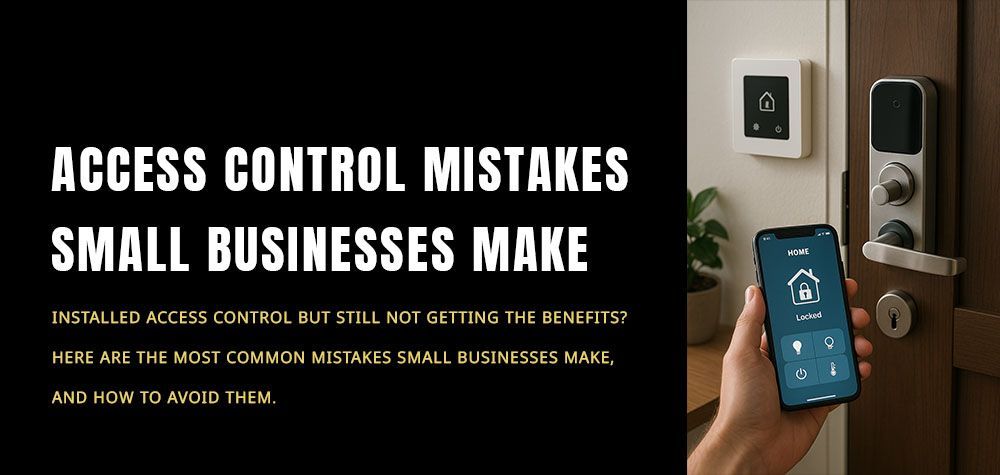
Smart locks: Do they eliminate this problem?
Smart locks don’t use physical keys—so no one can copy anything.
But there are other considerations:
Many smart locks log who enters and when
Some allow temporary access codes for cleaners or repairmen
You can delete or change those codes after every visit
Some can auto-lock, removing the “I forgot to lock the door” problem
A lot of homeowners who switch to smart locks with code-based access say they feel much safer giving temporary entry.
And if you’re not sure which smart lock works best for your home layout or lifestyle, Brothers Locksmith can recommend ones that actually hold up.
The hidden factor most homeowners forget: your spare keys
Even if you never gave someone a key, think about where your extras are:
- Junk drawer
- Key bowl in the kitchen
- Hook near the entryway
- A drawer in your study
That “secret place” near the front porch (which is never as secret as we think)
Visitors notice things without trying to.
A service worker might not care—but someone in their company or someone who overhears information might.
Security breaches often start with very small oversights.
What to do if your instinct says something felt “off”
If the visit left you uneasy—even if you can’t explain why—trust that feeling.
Professionals who work security know that intuition is one of the most accurate early warnings.
Here’s what locksmiths usually recommend:
- Rekey the locks (most affordable peace-of-mind option)
- Check the deadbolt alignment
- Inspect for any signs of lock tampering
- Consider upgrading to a pick-resistant or smart lock
- Doing this proactively is always easier than dealing with a break-in later.
So, should you change your locks? Here’s the simplest rule.
If someone outside your household has had unsupervised or repeated access to your home, it’s reasonable—sometimes necessary—to update your locks.
It’s not about accusing anyone.
It’s about maintaining the safety of the place you sleep.
Brothers Locksmith always tells customers:
“Locks protect your home, but rekeying protects your peace of mind.”
And honestly, that peace of mind is priceless.
When to call a professional locksmith
Call a locksmith if:
- You handed someone a key
- You ended a cleaning or repair service
- You felt uneasy after a visit
- Your locks are old and due for an upgrade
- You’re considering smart lock options
- You want temporary access codes for cleaners or guests
A quick rekeying or a well-chosen lock upgrade can close a security gap you didn’t even realize existed.
Brothers Locksmith can help assess your doors, your locks, and your access points—and guide you toward the safest, most practical solution.
Call Us Any Time!