Should You Install a Lockbox Instead of Giving Keys to Multiple People?
Giving spare keys to family members, neighbors, cleaners, caretakers, or contractors often starts as a practical decision. Over time, however, it can quietly turn into a security risk. Lost keys, copied keys, forgotten handovers, and unclear access control are some of the most common reasons homeowners face unauthorized entry—without ever realizing how it happened.
This is why many homeowners now ask an important question: Is installing a lockbox safer than handing out multiple physical keys? The answer depends on how access is managed, but in most cases, a lockbox offers more control, accountability, and long-term security.
How Much Home Insurance Depends on Lock Quality?
Why Giving Out Multiple Keys Creates Hidden Security Risks
Every extra key increases uncertainty. Once a key leaves your possession, you lose control over who may copy it, store it carelessly, or pass it on. Even trusted people can misplace keys without realizing it, and many modern keys can be duplicated quickly and cheaply.
Over time, homeowners often forget how many copies exist or who still has access. This becomes especially risky during staff changes, relationship changes, or after renovations. A door may appear locked and secure, but access may already be compromised.
Lockboxes Centralize Access Instead of Spreading It
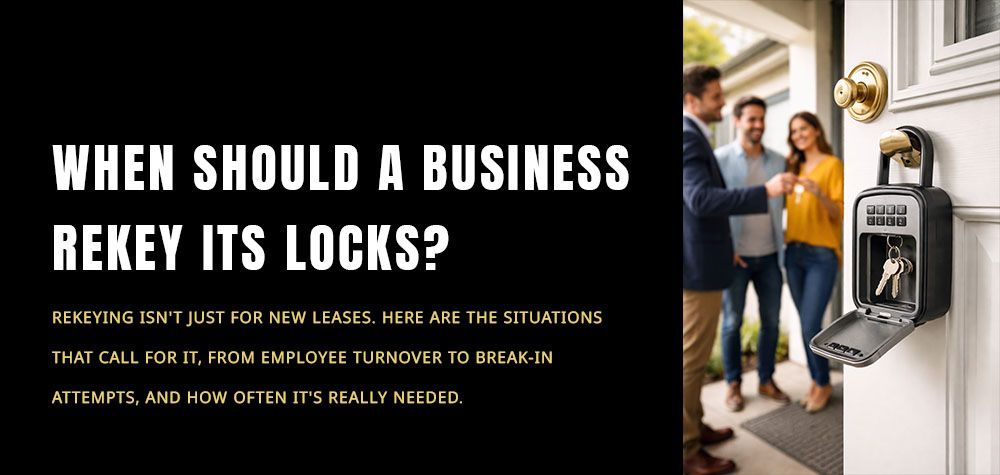
A lockbox works by storing a single key securely outside the home, accessible only through a code or digital authorization. Instead of distributing physical keys to multiple people, you keep one controlled access point.
This centralization reduces confusion. There’s no need to retrieve keys from different people or worry about unreturned copies. When access needs to change, you update the lockbox code instead of changing the lock itself.
Temporary Access Becomes Easier and Safer
One of the biggest advantages of lockboxes is flexibility. Cleaners, dog walkers, home health aides, or contractors often need short-term access. With traditional keys, this usually means lending a key and hoping it comes back.
With a lockbox, access can be time-limited. Codes can be changed after a job is done, preventing future entry. This is especially valuable for homeowners who travel frequently or manage rental properties.
Lost Keys vs Lost Codes: A Major Difference
When a physical key is lost, your only safe option is often rekeying or replacing the lock entirely. That takes time, costs money, and creates stress.
When a lockbox code is compromised, it can be changed in minutes. This makes lockboxes more forgiving when mistakes happen, which is exactly what security systems should be.
Lockboxes Reduce Wear on Door Locks
Repeated key use by multiple people increases wear on lock cylinders. Different turning pressures, poorly cut copies, or forced operation can shorten a lock’s lifespan.
Because a lockbox typically holds one properly cut key, the lock itself experiences more consistent use. This reduces internal wear and helps the lock function smoothly for longer.
Mechanical Lockboxes vs Smart Lockboxes
Not all lockboxes offer the same level of security. Mechanical lockboxes use combination dials and don’t rely on power or internet access. They’re simple, durable, and reliable when properly installed.
Smart lockboxes offer app-based access control, logs, and remote code changes. While convenient, they must be installed correctly and maintained to avoid digital vulnerabilities. A locksmith can help determine which option best fits your lifestyle and security needs.
Where Lockboxes Should (and Shouldn’t) Be Installed
Placement matters. A lockbox should be installed in a discreet but accessible location, ideally not visible from the street. Poor placement can draw attention or make tampering easier.
Professional installation ensures the lockbox is mounted securely to prevent prying, cutting, or removal. This is one area where DIY installation often falls short.
The Truth About “Pick-Proof” Locks
Are Lockboxes More Secure Than Smart Locks?
Lockboxes and smart locks solve different problems. Smart locks replace the door lock itself, while lockboxes manage access to a physical key.
For households where multiple people need access to a traditional lock, a lockbox can be a simpler and more reliable solution. In many cases, homeowners use both together for layered security.
Rental Properties and Shared Homes Benefit the Most
Landlords, Airbnb hosts, and shared households benefit significantly from lockboxes. Turnover becomes easier, access can be changed quickly, and disputes over keys are eliminated.
From an insurance and liability perspective, controlled access also reduces the risk of unauthorized entry claims.
Common Mistakes That Make Lockboxes Less Secure
A lockbox is only effective if used correctly. Leaving the code unchanged for years, sharing it casually, or installing low-quality models can undermine its benefits.
Professional locksmiths often see failures caused by poor installation, cheap materials, or incorrect placement—not the concept of lockboxes themselves.
How a Locksmith Helps You Choose the Right Lockbox
A professional locksmith evaluates more than just the box. They consider:
- Door type and material
- Local weather exposure
- Frequency of access
- Risk level of the property
This ensures the lockbox complements your existing security instead of becoming a weak point.
Final Thoughts: Control Matters More Than Convenience
Giving out multiple keys feels convenient, but it slowly erodes control. A lockbox restores that control by centralizing access, reducing risk, and making security manageable instead of stressful.
For homeowners juggling multiple access needs, a properly installed lockbox is often the safer, smarter choice—especially when paired with professional guidance.
Call Us Any Time!