Tips to Prevent Home Invasions

March 2, 2023

According to The US Department of Justice, 1.03 million home invasions occur each year. And the average loss of a home invasion is approximately $2,000 per home.

These statistics can be alarming. Nobody wants to be the next victim of a home invasion. Don’t worry! The more aware you are of the risks, and the more proactive you are in protecting yourself and your home, the lower your chances of a home invasion.
Ensure All Entryways Are Secured With Locks

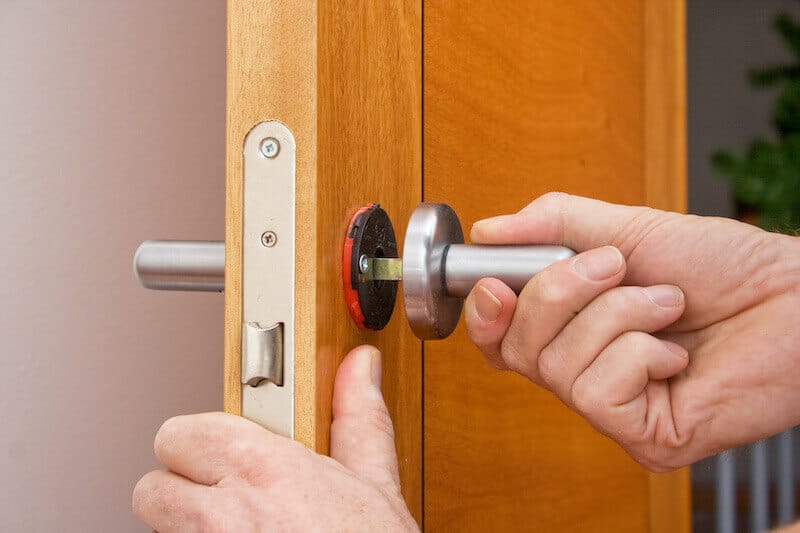
The best way to prevent a home invasion is by enhancing security . Installing the right locks, in the right places, can go a long way. It’s shocking how many burglars ( 40%) enter a home through an unlocked door or window.

First and foremost, make sure every door in your home has a durable lock on it . High-quality deadbolts are solid metal (not hollow) with a throw (the distance which a lock bolt travels when turned) at least 1.5 inches long. If you want to go a step further, there are a variety of smart locks available today. These locks can allow remote access, have more controlled access through codes or phone apps, and can even have built-in cameras to increase security.

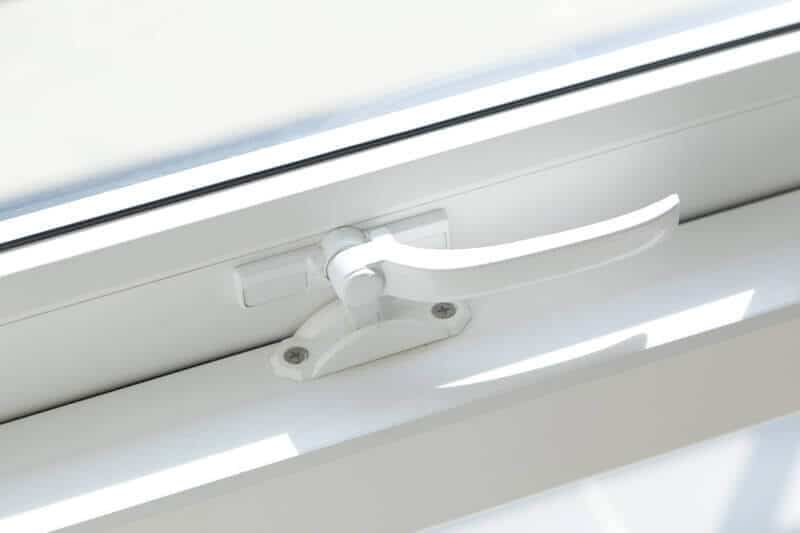
In addition to all doors, it’s imperative to make sure every window in your home has a lock on it as well. A window at any level – from basement to upper stories – is a potential entry way for thieves lurking around your property. If your windows are newer, they should come with locks on them. Check that every window is locked every night before bed or before you leave your home. If your windows are wooden or older, they may not have come with locks. If this is the case, you can easily buy bars or deadbolts to install on any window.

The last piece of advice we can give you regarding locks  is do NOT leave any spare keys hidden outside. This probably seems obvious and you’ve heard it time and time again. And yet, people continue to do it. If you need to leave a spare key outside of your home for any reason, put it in a secure lock box or something similar.

Additional Tips From Locksmith Professionals

There are other things – beyond locks and keys – that you can do around your house or property to increase security and lower the risk of home invasion. Some of them include:

Call Us Any Time!

Call Now
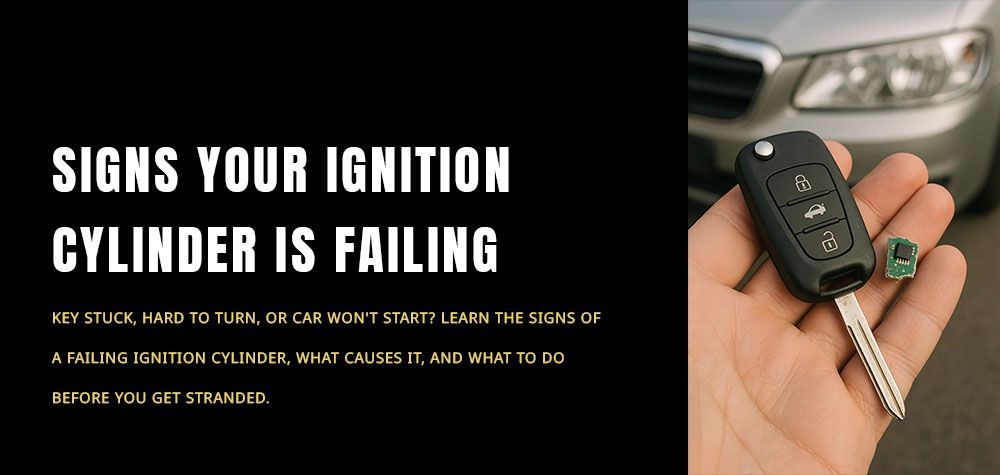
Signs Your Ignition Cylinder Is Failing
By Rabia Tingat • October 16, 2026
Key stuck, hard to turn, or car won't start? Learn the signs of a failing ignition cylinder, what causes it, and what to do before you get stranded.
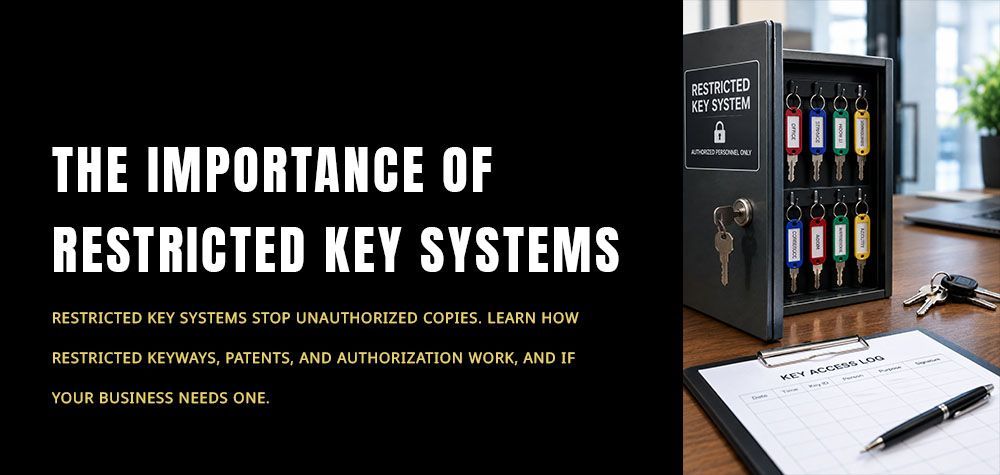
The Importance of Restricted Key Systems
By Rabia Tingat • October 14, 2026
Restricted key systems stop unauthorized copies. Learn how restricted keyways, patents, and authorization work, and if your business needs one.
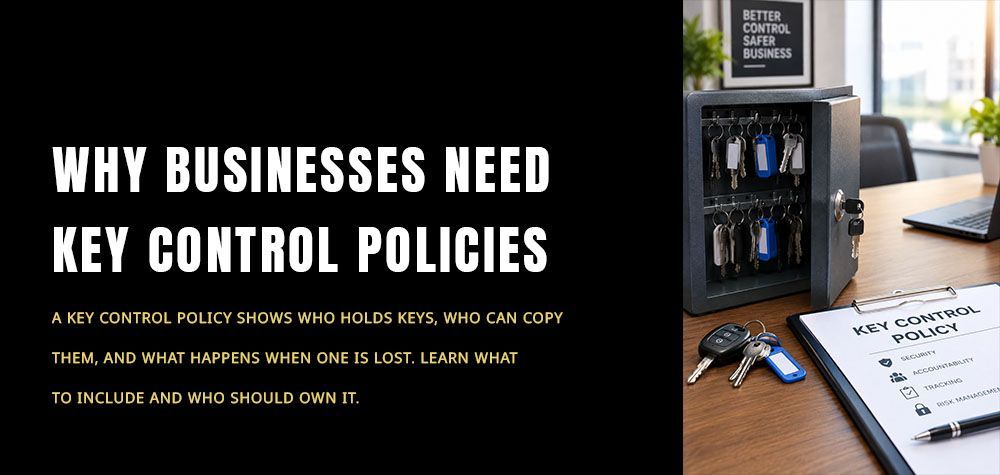
Why Businesses Need Key Control Policies
By Rabia Tingat • October 12, 2026
A key control policy shows who holds keys, who can copy them, and what happens when one is lost. Learn what to include and who should own it.
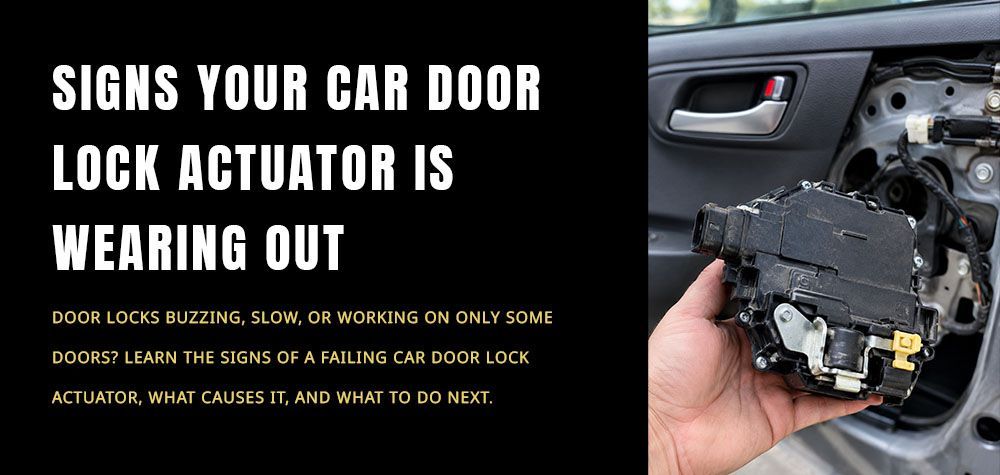
Signs Your Car Door Lock Actuator Is Wearing Out
By Rabia Tingat • October 9, 2026
Door locks buzzing, slow, or working on only some doors? Learn the signs of a failing car door lock actuator, what causes it, and what to do next.
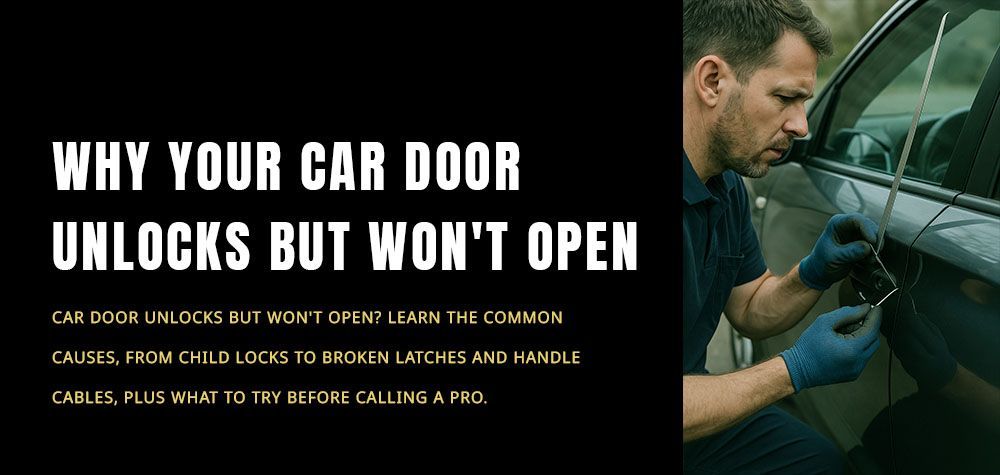
Why Your Car Door Unlocks but Won't Open
By Rabia Tingat • October 7, 2026
Car door unlocks but won't open? Learn the common causes, from child locks to broken latches and handle cables, plus what to try before calling a pro.
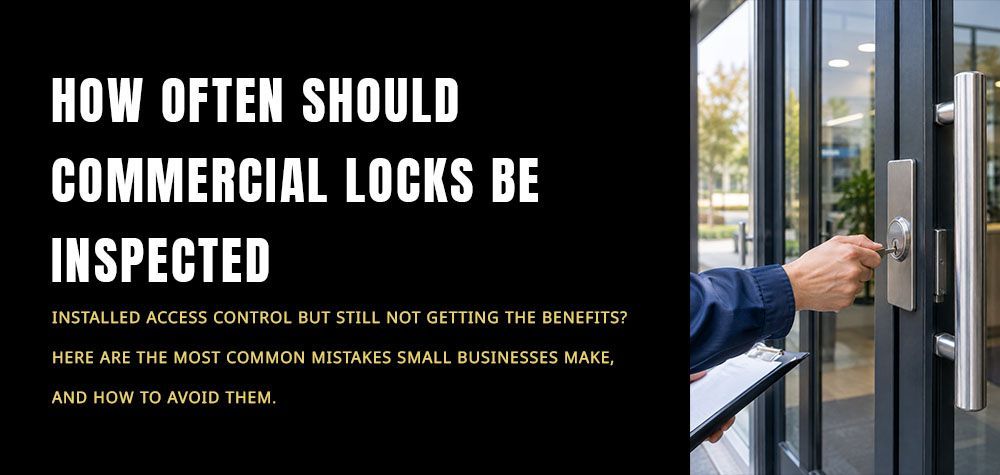
How Often Should Commercial Locks Be Inspected?
By Rabia Tingat • September 30, 2026
Waiting for a lock to fail costs more than checking it early. Here's how often to inspect commercial locks, and what events should trigger a check sooner.
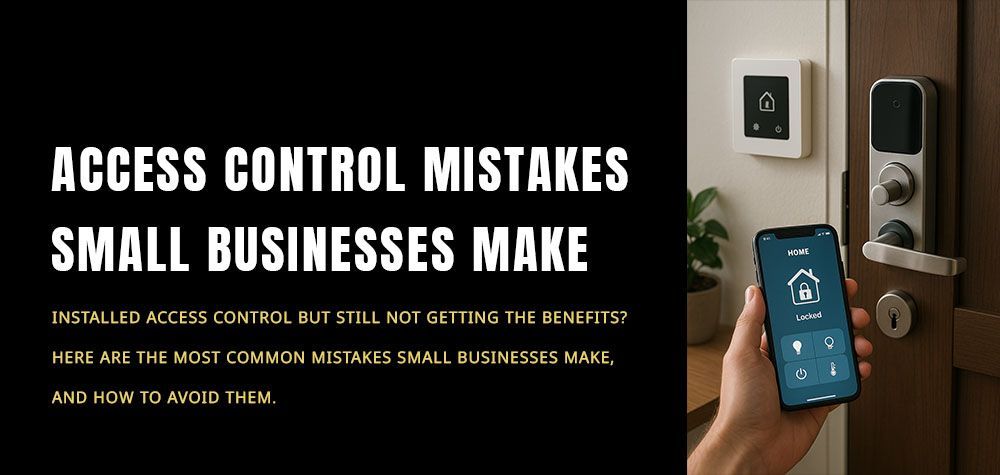
Access Control Mistakes Small Businesses Make
By Rabia Tingat • September 27, 2026
Installed access control but still not getting the benefits? Here are the most common mistakes small businesses make, and how to avoid them.
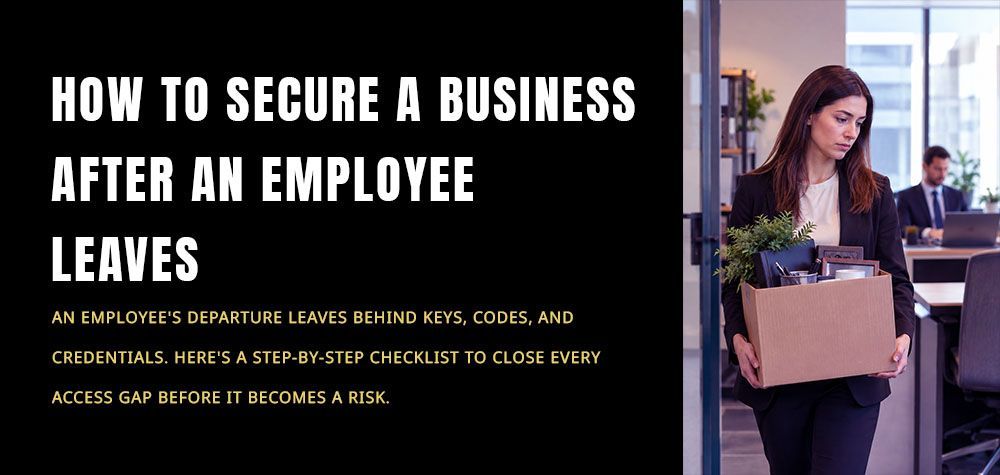
How to Secure a Business After an Employee Leaves
By Rabia Tingat • September 24, 2026
An employee's departure leaves behind keys, codes, and credentials. Here's a step-by-step checklist to close every access gap before it becomes a risk.
More Posts