Why Commercial Locks Fail Faster Than Residential Locks
Commercial locks are engineered to be significantly more durable than residential locks, rated for hundreds of thousands to over a million open-close cycles compared to roughly 200,000 for a typical residential lock. So why do business owners end up calling a locksmith about a failing lock far more often than homeowners do? The answer isn't that commercial locks are weaker. It's that they're used so much more heavily that even superior hardware wears out faster in real time.
Why Door Reinforcement Matters More Than Lock Quality
The Usage Gap Is Bigger Than the Durability Gap
A residential front door might be locked and unlocked a handful of times a day. A commercial entry, especially a retail storefront, an office suite, or a building with regular deliveries, can see hundreds of cycles in a single day from employees, customers, vendors, and cleaning crews.
Do the math on that gap, and it becomes clear why commercial locks reach the end of their functional life so much sooner, even with hardware rated for several times more cycles than a residential lock. A commercial lock built for a million cycles can still burn through that rating faster in calendar years than a residential lock built for a fraction of that, simply because it's being used dozens of times more often, every single day.
Multiple Users Means Multiple Handling Styles
A home's lock is typically used by the same small group of people, day after day, who've learned the specific feel of that lock, how much pressure it needs, which way the key sits, whether the door needs a slight lift to latch.
A commercial lock doesn't get that consistency. Different employees, contractors, and visitors all use it differently: some turning keys with more force than necessary, some yanking on a door that hasn't fully unlatched, some forcing a key that's already starting to stick rather than reporting it. That inconsistent handling adds mechanical stress a residential lock never experiences, and it accelerates wear on internal components well beyond what pure cycle counts would predict.
Doors Shift, and Commercial Doors Shift More
Both residential and commercial doors can drift out of alignment over time as a building settles, but commercial buildings tend to see this more, and more often. Heavier daily traffic, larger and heavier doors, and, in many regions, humidity and temperature swings affecting a building's structure all contribute to strike plates and door frames shifting out of position faster than they would on a quieter residential door.
Once a door is even slightly misaligned, the latch no longer meets the strike plate cleanly. Staff may find themselves lifting, pushing, or slamming the door to get it to lock, and that extra force strains the internal mechanism every time, turning a structural issue into accelerated lock wear.
Multipoint and Access-Control Systems Add More Points of Failure
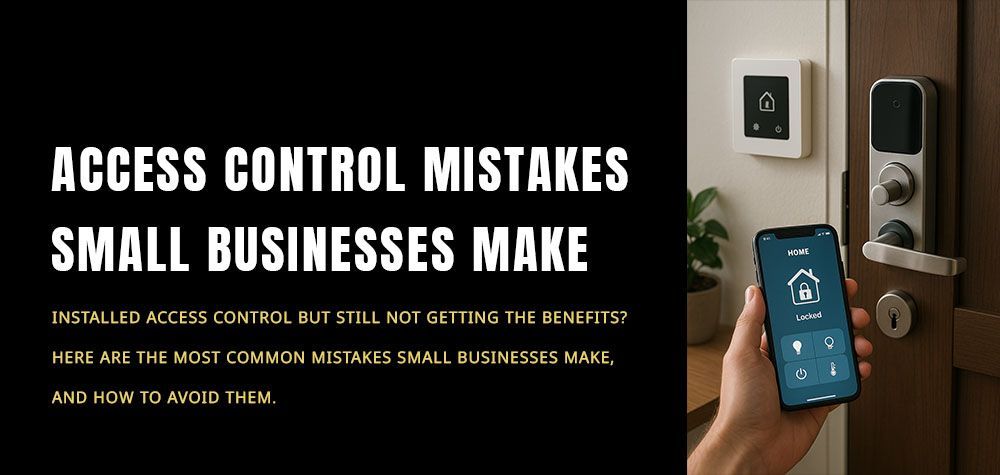
Many commercial doors use multipoint locking systems or integrated access control, keypads, card readers, fobs, rather than a single cylinder lock. This adds security and flexibility, but it also means there are simply more mechanical and electronic components that can wear down or fail. When one part of a multipoint system starts to stick, it can make the entire mechanism feel stiff or unreliable, even if the rest of the hardware is fine.
Residential locks, by contrast, are usually a single, simpler mechanism, which means there's less that can go wrong, and less that accumulates wear over time.
Employee and Tenant Turnover Adds Wear You Can't See
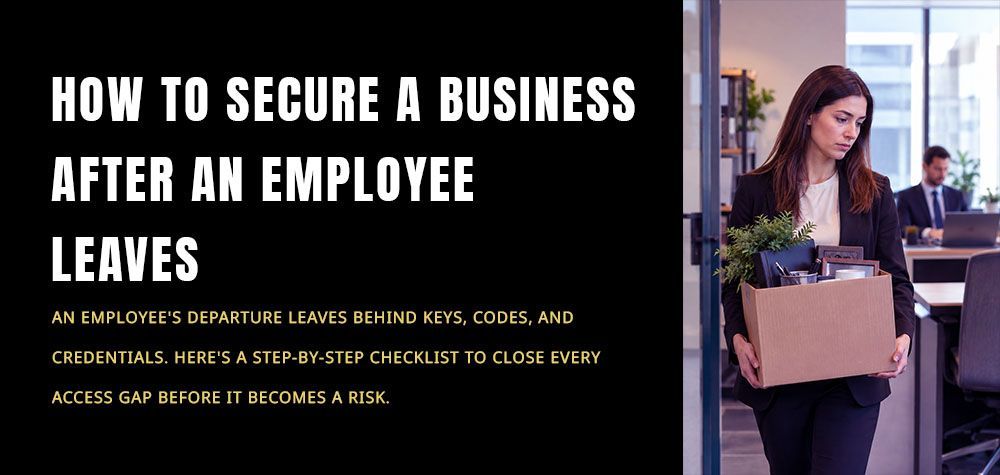
This one's less obvious, but it matters. Every time access needs to be added or removed, a new employee, a departing one, a tenant turnover, it puts additional demand on a commercial lock system, whether that means more keys being cut and used, more codes being programmed and reprogrammed, or more frequent rekeying. A home rarely goes through this cycle more than once every several years. A business with regular staff changes can go through it repeatedly within a single year, and each cycle adds its own wear to the hardware involved.
Broken Keys Are More Common in Commercial Settings
A broken key snapped off inside a lock is a common commercial lock complaint, and it's usually a downstream effect of everything above: worn key metal from heavy daily use, combined with someone forcing a key into a cylinder that was already starting to stick. On a residential lock used a few times a day by people familiar with it, this scenario comes up rarely. On a commercial lock used constantly by a rotating cast of people, it's a matter of when, not if.
How to Secure a Home After Losing Your Keys
The Warning Signs Are Usually There Before Total Failure
Commercial lock hardware rarely fails without warning. In most cases, it fails slowly: a key that starts dragging, a deadbolt that needs a second attempt, a lever that feels looser than it used to, a latch that doesn't quite line up with the strike the way it once did. These are early signs of accumulating wear, not just minor inconveniences, and catching them early is what keeps a simple adjustment from turning into a full lock failure at the worst possible moment, like right before opening.
What Business Owners Can Do About It
A few practical habits meaningfully extend commercial lock lifespan despite the heavier use they're built to withstand:
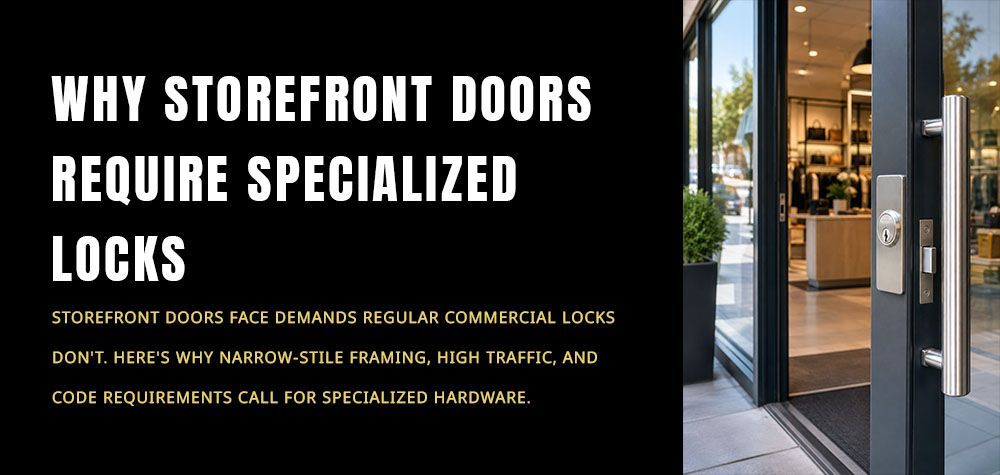
- Use Grade 1 hardware on high-traffic entries rather than lower-grade or residential-style locks, which aren't built for commercial cycle volumes and can also create insurance or code compliance issues
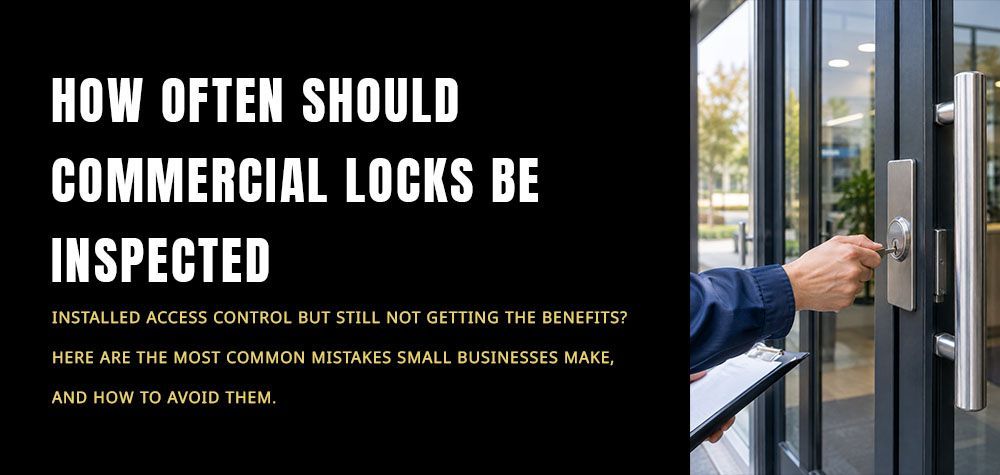
- Schedule regular inspections, checking for loose components, misalignment, and early signs of sticking before they become full failures
- Address door alignment issues promptly, since a misaligned door accelerates wear on an otherwise healthy lock
- Train staff on proper use, steady pressure rather than force, and reporting a lock that feels "off" right away rather than working around it
- Consider access control for high-turnover situations, since deactivating a lost credential is far faster and cheaper than rekeying every time access needs to change
When Repair Makes Sense vs. When It's Time to Replace
Not every commercial lock issue means starting over. If the lock body is still fundamentally sound and the problem is mechanical or alignment-related, sticking cylinders, a latch that's not retracting cleanly, loose trim, it's often a straightforward repair. If a business has already dealt with several failures on the same lock within a year, or the hardware is outdated relative to current commercial-grade standards, that's usually the point where replacement becomes the more cost-effective long-term choice.
How a Locksmith Can Help
A commercial locksmith can assess whether your current hardware is actually rated for the traffic your business puts it through, catch early wear before it becomes a lockout during business hours, and recommend the right balance between Grade 1 hardware, access control, and rekeying policy for how your specific business operates.
Professional commercial lock services help business owners stay ahead of failures instead of dealing with them as emergencies.
Frequently Asked Questions
Q: Are commercial locks actually lower quality than residential locks?
A: No, the opposite is generally true. Commercial locks are typically built to higher durability standards (Grade 1 or Grade 2 hardware), rated for hundreds of thousands to over a million cycles, well beyond typical residential lock ratings. They fail sooner in calendar time because they're used far more often, not because they're weaker.
Q: How often should a business have its locks inspected?
A: Checking for loose components, visible wear, and alignment issues monthly is a reasonable baseline for high-traffic commercial entries, with a more thorough professional inspection at least once a year.
Q: Can I just install a residential lock on my business to save money?
A: This isn't recommended. Residential locks aren't built for commercial-level cycle volumes, and using one on a business entry can also void insurance coverage or fail a fire or safety inspection depending on local code requirements.
Q: What's usually the first sign a commercial lock is starting to fail?
A: A key that drags or feels harder to turn, a deadbolt that needs a second attempt to engage, or a latch that no longer lines up cleanly with the strike plate are all early warning signs worth addressing before the lock fails completely.
Q: Is it cheaper to repair or replace a failing commercial lock?
A: It depends on the extent of the wear. If the lock body is sound and the issue is mechanical or alignment-related, repair is usually more cost-effective. Locks with repeated failures or outdated hardware are often better replaced outright.
Final Thoughts on Commercial Lock Lifespan
Commercial locks aren't inferior to residential ones, they're actually built to a higher standard. The reason they fail faster comes down to sheer volume: more daily use, more hands touching the same lock, more turnover in who needs access, and doors that see enough traffic to drift out of alignment sooner. Understanding that gap is what allows business owners to plan ahead, catching wear early, choosing the right grade of hardware, and treating lock maintenance as routine upkeep rather than an emergency that shows up unannounced.
Call Us Any Time!