Why Your Door Unlocks but Won’t Lock Again
A door that unlocks easily but refuses to lock again is more than a minor inconvenience—it’s a warning sign. Many homeowners assume the problem is the key or that the lock is simply “acting up,” but in reality, this issue usually points to mechanical wear, alignment problems, or internal lock failure.
Understanding why this happens can help you avoid being locked out, prevent security risks, and stop a small issue from turning into an emergency repair.
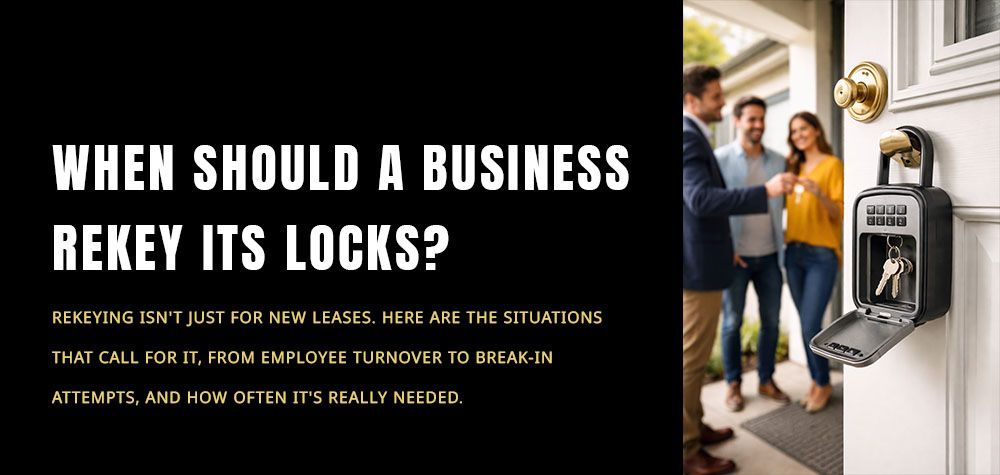
Should You Install a Lockbox Instead of Giving Keys to Multiple People?
Unlocking and Locking Use Different Forces Inside the Lock
Most people don’t realize that unlocking and locking are not identical actions inside a lock. Unlocking often requires less resistance because the latch or bolt is already under pressure from the door frame. Locking, on the other hand, requires the bolt to extend fully into the strike plate.
When internal components start wearing down, the lock may still retract smoothly but struggle to extend again. This is why the key turns one way but resists the other.
Door and Frame Misalignment Is the Most Common Cause
One of the most frequent reasons a door won’t lock again is misalignment between the lock and the strike plate. Seasonal temperature changes, house settling, or loose hinges can cause the door to shift slightly.
Even a few millimeters of movement can prevent the bolt from lining up with the strike plate opening. The lock itself may be working perfectly, but it simply has nowhere to go. This often explains why the door locks fine when open but not when closed.
Latch or Deadbolt Is Binding Inside the Door
Over time, dirt, old lubricant, metal shavings, and wear buildup inside the lock mechanism. This can cause the latch or deadbolt to bind when extending.
Unlocking retracts the bolt, which is usually easier. Locking forces it outward, where resistance is higher. If internal friction increases, the bolt may stop halfway or refuse to move altogether.
Worn Key or Poorly Cut Duplicate Keys
Keys wear down gradually, especially if they’re used daily or copied multiple times. A worn key may still turn enough to unlock the door but fail to provide the precise alignment needed to lock it again.
This issue is especially common when duplicate keys are made from already worn originals. The error compounds, affecting only one direction of rotation.
Internal Lock Cylinder Wear
Inside every lock cylinder are pins, springs, and chambers that rely on precise tolerances. As these parts wear, they lose symmetry. The cylinder may rotate freely in one direction but catch or jam in the other.
This is often an early sign of total lock failure. Ignoring it can lead to a lock that won’t unlock at all—usually at the worst possible time.
Strike Plate Problems Go Unnoticed
A bent, loose, or improperly positioned strike plate can prevent the lock from engaging fully. Screws may loosen over time, allowing the plate to shift just enough to interfere with locking.
Because strike plates don’t move visibly, this issue often goes unnoticed until locking becomes impossible.
Weather and Humidity Can Affect Lock Performance
Temperature changes cause doors and frames to expand and contract. In humid conditions, wooden doors may swell slightly, increasing pressure around the latch area.
This extra pressure can allow unlocking but prevent locking, especially if the bolt is already struggling with alignment or wear.
Over-Lubrication Can Be as Harmful as No Lubrication
Many homeowners attempt to fix lock problems by spraying oil or grease into the cylinder. While this may temporarily help, improper lubricants attract dust and debris, making the problem worse over time.
Sticky residue inside the lock increases resistance during locking, even if unlocking still feels smooth.
Smart Locks and Electronic Deadbolts Have Unique Failure Patterns
For smart locks, this issue may stem from motor resistance, low batteries, or calibration problems. The motor may have enough power to retract the bolt but not enough to extend it again.
In these cases, the problem may appear mechanical but actually be electronic.
How Much Home Insurance Depends on Lock Quality?
Why Forcing the Lock Makes the Problem Worse
Forcing a key to lock a resisting door can bend the key, break internal pins, or snap the cylinder entirely. What starts as a repairable issue can quickly turn into a full lock replacement.
Professional locksmiths often see locks fail because early warning signs were ignored.
How Locksmiths Diagnose the Exact Cause
Professional locksmiths follow a step-by-step diagnostic process rather than guessing. This includes:
- Testing the lock while the door is open and closed to compare resistance
- Checking door alignment to see if shifting is blocking the bolt
- Inspecting hinges for sagging, looseness, or uneven wear
- Examining the strike plate position and screw stability
- Assessing internal cylinder resistance to detect worn pins or binding components
This systematic evaluation ensures the underlying problem is corrected, not just temporarily masked.
Common Professional Fixes for This Issue
Once the cause is identified, locksmiths apply targeted solutions based on the condition of the door and lock:
- Realigning the door or frame to restore proper bolt engagement
- Adjusting, tightening, or replacing the strike plate
- Cleaning internal components and applying lock-safe, cold-resistant lubricants
- Rekeying the cylinder when internal wear affects key movement
- Replacing worn internal parts when repair is no longer reliable
In many cases, the lock does not need full replacement—proper correction restores normal function and security.
When This Problem Becomes a Security Risk
A door that won’t lock reliably leaves your home vulnerable, especially if it fails when you’re in a hurry or away. Even intermittent failure means the lock cannot be trusted.
From a security and insurance perspective, a malfunctioning lock is often treated as no lock at all.
Final Thoughts: A Lock That Won’t Relock Is Warning You
If your door unlocks but won’t lock again, it’s not random and it’s not something to ignore. It’s an early indicator of mechanical stress, misalignment, or internal wear.
Addressing the issue early—preferably with professional help—can save money, prevent lockouts, and restore full security to your home.
Call Us Any Time!