

When you own a business or commercial property, there are many options to consider when it comes to security. Taking the time to choose the most effective kind of locks for your specific property is an important practice, as these systems protect not only your building, but the employees, valuables, and sensitive information located inside.
Are Magnetic or Electric Locks Better For Commercial Properties?
September 28, 2020

If you’re unsure about whether a magnetic lock system or an electric strike system is right for your business, you’ve come to the right place! The professionals at Brothers Locksmith have created a guide below to discuss the pros and cons of these devices, helping you make a more informed decision about your commercial security.
Magnetic Locks
Magnetic Locks, or “mag locks,” are devices that use an electromagnet to secure doors. The magnet is attached to the door frame and a metal armature plate. These systems use low-voltage power to keep the lock closed and unlock with a card swipe, key fob or access code.
Mag locks can connect to a variety of access control systems, which can sometimes even be accessed using smartphone applications. If you’re interested in learning more about access control systems, check out our previous blog on the topic, “What is Key Control and Why Should My Business Care?”

If you’re thinking about implementing mag locks into your access control system, consider the pros and cons of these devices, listed below.
Advantages of Mag Locks
There are many benefits to using a mag lock system for your commercial property:
- Mag Locks can be extremely strong and durable, lasting a long time
- Mag Locks be mounted on a wide variety of doors, even glass doors
- These locks often require less cutting of the door frame during installation
- Mag Locks eliminate the risk of lost keys/fobs, minimizing security threats
- These locks are quick to operate after installation
- Decreased costs over time as you don’t need to cut new keys
Disadvantages of Mag Locks
Just as there are advantages to implementing magnetic locks, there are a few downsides to consider when evaluating the decision to install these locks in your commercial property.
- Mag Locks are frowned upon by most fire and code officials, due to their completely electronic nature. In the event of an emergency, it’s harder for individuals without a key card, code or fob to exit the building.
- Doors may become more difficult to open if the maglock is continuously locked
- Mag Locks need a constant source of power- the door will open if power is lost without a battery backup or if the battery backup goes down
- Cards or fobs may be misplaced or stolen, allowing unauthorized individuals access to the property
- Mag Locks can be pricey depending upon the quality and strength of the lock
Electric Locks or “Electric Strikes”
Another kind of system that should be considered for increasing your commercial property’s security is an electric strike. These devices can also be implemented into your access control system, giving you more jurisdiction over which employees can access specific areas of the building.
Electric strikes are electromechanical devices that provide increased security to the building when used alongside other devices, such as a lock set or panic bar. When electrical power is supplied to the strike, the latch or lock bolt is held in place, keeping the door locked until a release system is activated.
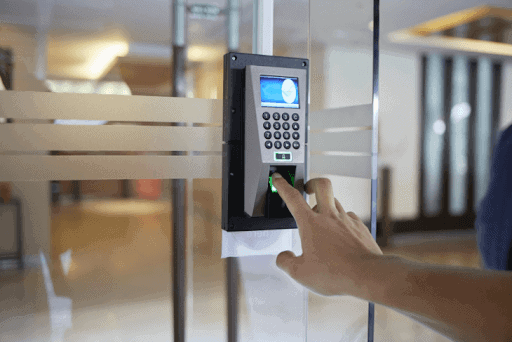
Release systems vary depending on the type of electric strike you install. Generally, when the mechanical part of the lock is activated through an electronic key card, code, release button or fob, the strike releases, opening the door from the outside.
Advantages of Electric Strikes
There are multiple advantages to implementing electric strikes in your commercial property:
- Electric strikes are favorable to fire and building officials, due to the fact they can still operate with a mechanical release such as a push bar from the inside
- Electric strikes are available in both fail-safe and fail-secure configurations
- With electric strikes, the door can remain secure even with a loss of power, if properly configured
- Decreased costs over time as you don’t need to cut new keys
Disadvantages of Electric Strikes
Although electric strikes have many advantages, there are certainly disadvantages to these systems that are important to consider:
- Door is susceptible to normal mechanical bypass methods
- Cards or fobs may be misplaced or stolen, allowing unauthorized individuals access to the property
- Electric strikes can be difficult to install on door frames made out of materials such as aluminum, as they need thicker door spaces
- Depending on the quality, they can be more prone to failure because they are more mechanically complex in nature than a magnetic locks
Call Us Any Time!
Key stuck, hard to turn, or car won't start? Learn the signs of a failing ignition cylinder, what causes it, and what to do before you get stranded.
Restricted key systems stop unauthorized copies. Learn how restricted keyways, patents, and authorization work, and if your business needs one.
A key control policy shows who holds keys, who can copy them, and what happens when one is lost. Learn what to include and who should own it.
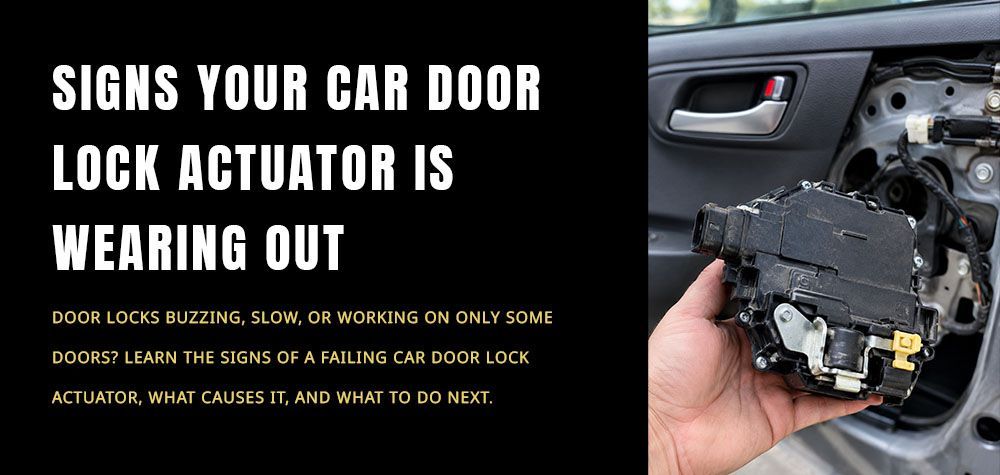
Door locks buzzing, slow, or working on only some doors? Learn the signs of a failing car door lock actuator, what causes it, and what to do next.

Car door unlocks but won't open? Learn the common causes, from child locks to broken latches and handle cables, plus what to try before calling a pro.
Waiting for a lock to fail costs more than checking it early. Here's how often to inspect commercial locks, and what events should trigger a check sooner.
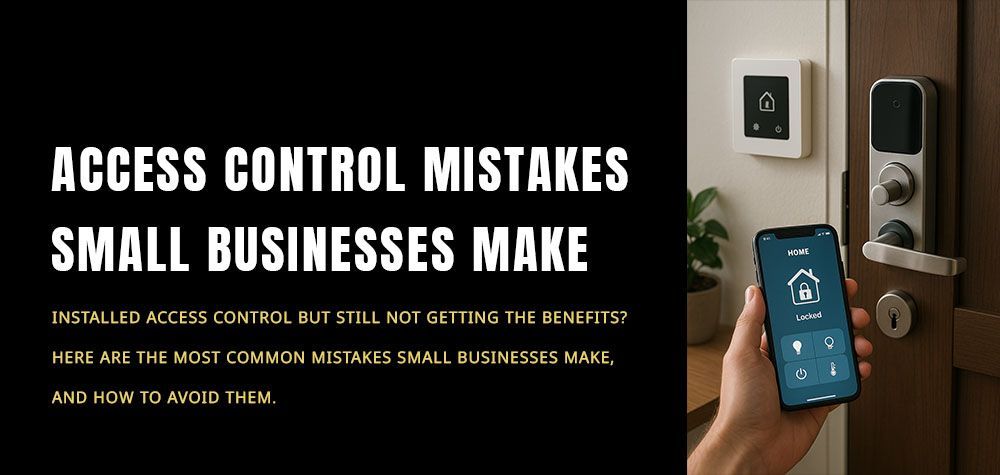
Installed access control but still not getting the benefits? Here are the most common mistakes small businesses make, and how to avoid them.

An employee's departure leaves behind keys, codes, and credentials. Here's a step-by-step checklist to close every access gap before it becomes a risk.