Bent or Misaligned Car Door Latch: Causes and Solutions for Repair
Car door latch issues are more common than you might think, and addressing them promptly is crucial for both your car’s security and your convenience. A bent or misaligned car door latch can lead to a range of problems, from difficulty closing the door to potential safety hazards. In this article, we'll explore the common causes of bent or misaligned car door latches, how to diagnose the issue, and solutions for repair.
Common Causes of Bent or Misaligned Car Door Latches
Accidental impacts or collisions can easily bend or misalign a car door latch. Everyday wear and tear over time also contribute to these issues, especially in older vehicles. Sometimes, manufacturing defects can cause latch problems right from the start. Additionally, improper door use or forceful closing can lead to misalignment or bending of the latch mechanism.
Signs Your Car Door Latch is Bent or Misaligned
Difficulty in closing the door is a clear sign that something is wrong with the latch. If the door doesn't stay closed or securely latched, or if you hear unusual noises when opening or closing the door, these are strong indicators of a problem. Visible damage or misalignment can also be spotted with a quick inspection.
Diagnosing Car Door Latch Problems
Start with a visual inspection for any visible damage. Listen for unusual noises that occur when opening or closing the door. Check the door’s alignment to see if it lines up properly with the car body. Testing the door’s locking and latching mechanism can also help identify any issues.
DIY Solutions for Bent or Misaligned Car Door Latches
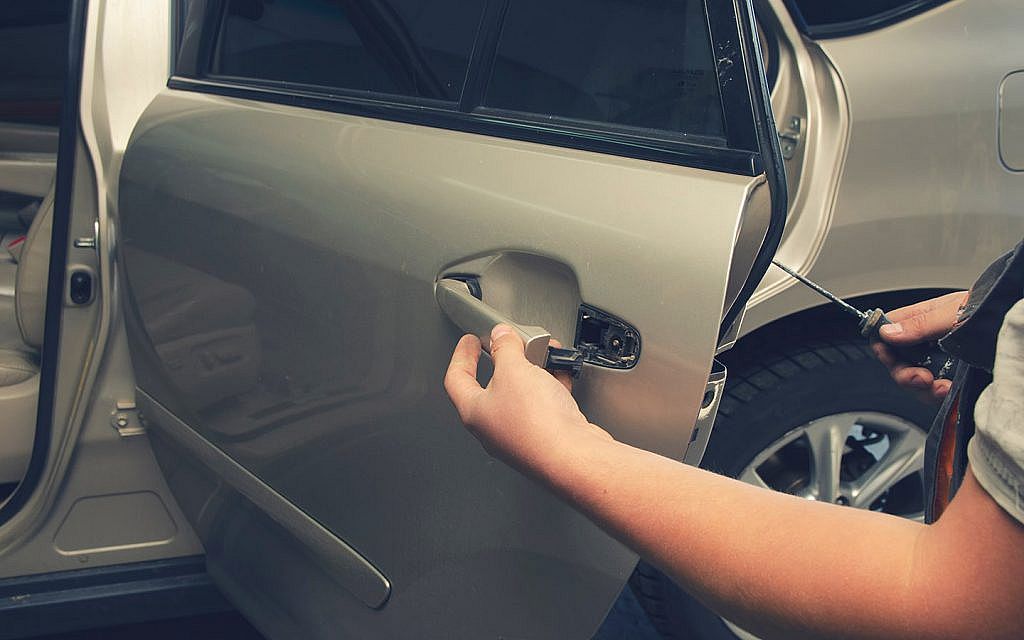
For basic repairs, you'll need tools such as pliers, screwdrivers, and a hammer. To realign a misaligned latch, gently adjust the latch position until it aligns correctly with the striker plate. For minor issues, temporary fixes like using a rubber mallet to tap the latch back into place can work. Always follow safety precautions to avoid further damage or injury during DIY repairs.
When to Seek Professional Help
If the issues persist after your DIY attempts, it’s time to seek professional help. Severe damage or significant misalignment should be handled by a professional to ensure proper diagnostics and repairs. Finding a reliable auto repair service can save you time and ensure the problem is resolved correctly.
Cost of Repairing Bent or Misaligned Car Door Latches
Repair costs can vary based on factors such as the extent of damage and your car model. DIY repairs are often cheaper but may not always solve the problem completely. Professional repairs can be more costly but are likely to provide a more durable solution. It’s essential to consider these factors when deciding on the best course of action.
Preventive Measures to Avoid Latch Issues
Regular maintenance is key to preventing latch problems. Handle your car doors with care and avoid slamming them shut. Periodic inspections can help detect early signs of wear or misalignment. Lubricating and cleaning the door components regularly will also keep the latch functioning smoothly.
Conclusion
Addressing car door latch issues promptly is vital for maintaining your vehicle's security and functionality. By understanding the causes, signs, and solutions for bent or misaligned latches, you can take timely action to repair and maintain them. Regular maintenance and careful handling can help prevent these issues from occurring in the first place.
Car Door Lock Cylinder Replacement: A Comprehensive How-To Guide
Car Door Lock Actuator Failure: Symptoms and Strategies for Repair
Call Us Any Time!