

How to Hide Your Spare Keys, the Clever Way
April 29, 2021
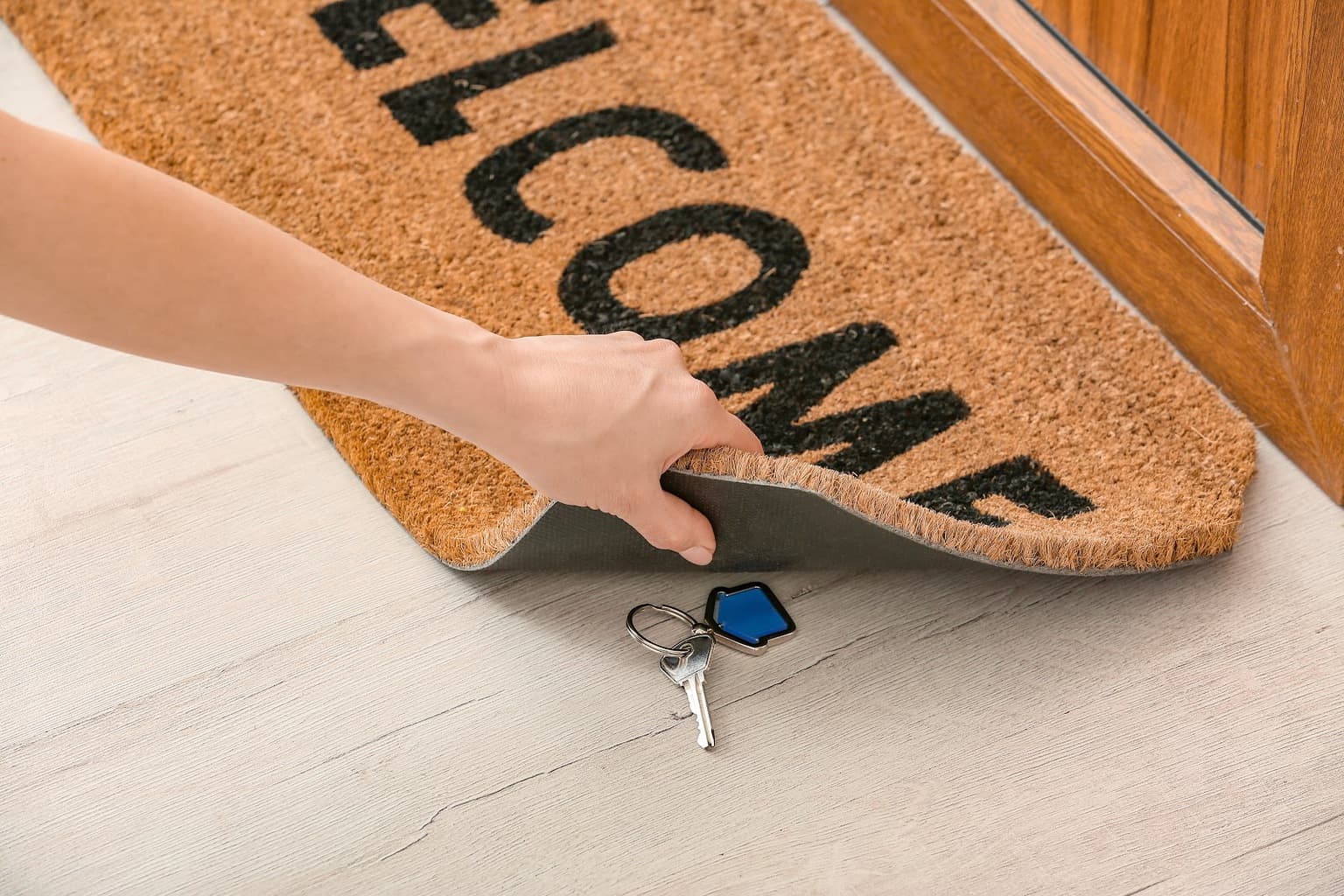
No one plans on getting locked out of their homes, but anything can happen in the course of a busy day: keys can get lost, broken, or — in the worst case — stolen. Whatever the reason, the annoyance of losing your trusted key can turn to panic if it’s your only way back inside. To avoid calling a locksmith or that friend who’s bailed you out too many times, it helps to keep a spare key on the premises as a backup. But with added security comes added risk, especially if you plan on hiding your spare outside. With some careful planning, however, you can rest assured that your spare key is kept secret, and you’ll always have a fail-safe way to enter your home.
If you think a half-inch doormat is going to thwart a burglar, think again. These criminals are experts on residential habits — they reside somewhere too, after all — and know all the commonplace hiding spots for spare keys. Since obtaining a spare means easy entry for burglars, they’ll thoroughly scan front yards when selecting targets, searching for tell-tale signs of hidden keys. Homeowners should be on high alert: dropping your spares in obvious spaces leaves you vulnerable to robbery, so if you’re going to outsmart a crook, you’ll need to look beyond doormats and flowerpots, and on to covert stash-spots.
While fake rocks are cliche and obvious, fear not: you can still hide your key on your property through an assortment of discreet and innovative key-holders disguised as common lawn equipment. Typically found online, these holders run anywhere from $5 - $20 — proof you don’t need to break the bank to beef up your home’s security.
You don’t need to drop money on fake-out key holders to keep your spares safe. Your lawn and its surrounding fixtures contain a plethora of nooks and crannies fit for a key.
- Bottle Method:
- Door Knocker:
- The Smaller House(s):
- License Plate:
- Tree:
Everyone deserves to feel secure in their home, and Brothers Locksmith believes in informing homeowners of any and all measures they can take to ensure their safety. Hiding a spare key is a good first-step, but if you’re in need of a little extra reassurance, call
to speak with one of our expert locksmiths, or check out our website
to learn more about our rekeying, lock repair, and installation services.
Call Us Any Time!
Key stuck, hard to turn, or car won't start? Learn the signs of a failing ignition cylinder, what causes it, and what to do before you get stranded.
Restricted key systems stop unauthorized copies. Learn how restricted keyways, patents, and authorization work, and if your business needs one.
A key control policy shows who holds keys, who can copy them, and what happens when one is lost. Learn what to include and who should own it.
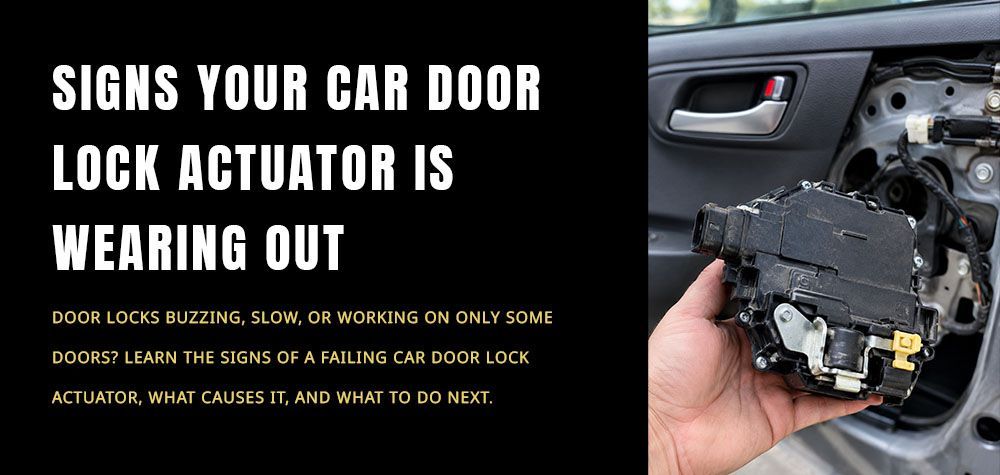
Door locks buzzing, slow, or working on only some doors? Learn the signs of a failing car door lock actuator, what causes it, and what to do next.
Car door unlocks but won't open? Learn the common causes, from child locks to broken latches and handle cables, plus what to try before calling a pro.
Waiting for a lock to fail costs more than checking it early. Here's how often to inspect commercial locks, and what events should trigger a check sooner.
Installed access control but still not getting the benefits? Here are the most common mistakes small businesses make, and how to avoid them.
An employee's departure leaves behind keys, codes, and credentials. Here's a step-by-step checklist to close every access gap before it becomes a risk.