

How to Know if Your Hotel Room is Secure
June 3, 2021
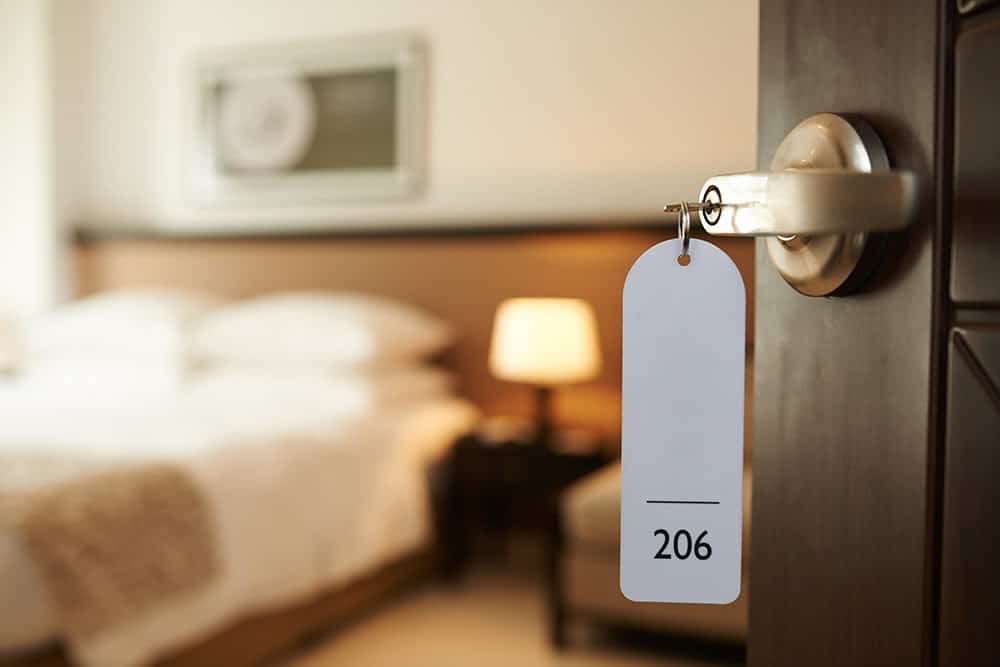
Traveling is a fun adventure for some, stressful for others. However, the one thing all travelers have in common is wanting their temporary home to feel like a safe space in an unfamiliar place. But how can you know for sure that your hotel room is secure? Brothers Locksmith is here to give you a few helpful tips!
How should I book?
Ensuring your safety while traveling starts when you are booking a hotel. Experts say it is better to book online, thereby avoiding the need to give out sensitive information over the counter where it’s possible it will be overheard by strangers.
How do I keep my information safe?
When you do get to the hotel, it may be helpful to be extra cautious even when interacting directly with the concierge. Try writing down your information and handing it to the concierge instead of speaking it out loud. This tip can be especially helpful for solo female travelers as it can deter someone from trying to follow you to your room.
What floor is best to book?
You may also want to avoid booking rooms on the ground floor, as they are more vulnerable to break-ins from the outside. It is also best to book rooms between floors two and six; in case of a fire, rescue ladders can typically reach up to the sixth floor of a hotel.
What about hotel amenities?
Try to steer clear of rooms near ice/vending machines. These rooms can be more noisy since there will be greater foot traffic in the area, and criminals are known to frequent the dark and secluded corners of these areas. Floors with conference or meeting rooms should also be avoided, since there is an increased number of people who are not staying at the hotel walking around.
Once you are safely in your hotel room, it is time to do a security sweep of the space. There are a few things you should check, and a few extra precautions you might want to take:
- Check hiding places : The first thing you should do when you get into the room is keep the door open while you check every part of the room where someone could be hiding. This includes areas like showers, closets, and behind curtains. Once you are certain that nobody else is in the room with you, close and lock the door.
- Safes : There is much discourse about whether the provided safes are reliable places to store important documents, such as passports, flight tickets, and money. Some say that the hotel safes are your best bet for securing your belongings, while others recommend bringing an extra layer of security in the form of a portable safe or portable travel lock. Below you can find links to a few recommended products for this kind of security:
- Locks : Check all locks to ensure that each one is working properly. This includes the deadbolt on the hotel room door, the safe, and any lockable cabinets or drawers that you may want to use during your stay.
- Doors and windows : Check any door that connects to another room and make sure that it is locked. Check all windows and make sure they are locked. If you want to keep a window open, see if there is any way for someone to get inside the room using that window. If your room has a balcony, can somebody get onto your balcony from the balcony of a neighboring room?
After you’ve safely checked in, gotten to your room, and taken a look around, it is crucial to keep in mind that you need to be looking out for your own safety throughout the entire stay. Here’s a list of some do’s and don’ts for your hotel stay:
Do:
Keep a hand on your luggage at all times
. When carrying luggage through a hotel lobby, be wary of where it is in relation to you. Try to keep it in front of or next to you, or give it to someone you are with so they can keep an eye on it.
Use doorstops
. Placing a doorstop under the door to keep it closed is an important safety step, especially at night.
Make it look as if you are in your room, always
. Even when you are not there, making it look like you are can deter intruders from trying to come inside. A few ways to do this include:
- Leaving the TV on just loud enough to where it can be heard through the door.
- Leave the Do Not Disturb sign on the door (timing is a factor here, since this may interfere with housekeeping)
- Leave a light on. This is especially important when you are going out and expecting to be back only after the sun has set.
Know your emergency exit plan
. Whether you ask the concierge for a map, or scout out your emergency exit plan for yourself, it is good to know where to go in an unfamiliar setting if there were ever an emergency.
Don’t:
Connect to hotel Wi-Fi without a VPN
. Like coffee shops or airport Wi-Fi networks, hotel networks are public, and therefore prone to hackers. If you are planning on connecting to your hotel’s Wi-Fi network, be sure to use a Virtual Private Network (VPN).
Give anyone personal information over the phone
. There have been several instances of criminals calling into the hotel and asking to be patched through to a specific room. They will then speak to you and tell you that your card was declined, invalid, or otherwise not charged. They will ask for your card number, effectively stealing that information from you. To avoid this, tell whoever is calling that you will come to the front and speak to them directly.
Prop the door open. Ever.
If you are traveling with friends or family and staying in separate rooms, it is not smart to prop or leave doors open for easier access. This can be seen as an open invitation for intruders and burglars to come in and rummage through your belongings. Rather than propping the door open, ask for additional copies of room key cards so everyone you’re with can access each room with ease.
Your safety while traveling is an important factor that can influence your entire trip. Protecting your personal information, checking every part of your hotel room, and keeping belongings and personal data secure are crucial steps to ensuring your peace of mind. Be sure to follow these helpful tips and tricks next time you are on the road or on vacation!
Call Us Any Time!
Key stuck, hard to turn, or car won't start? Learn the signs of a failing ignition cylinder, what causes it, and what to do before you get stranded.
Restricted key systems stop unauthorized copies. Learn how restricted keyways, patents, and authorization work, and if your business needs one.
A key control policy shows who holds keys, who can copy them, and what happens when one is lost. Learn what to include and who should own it.
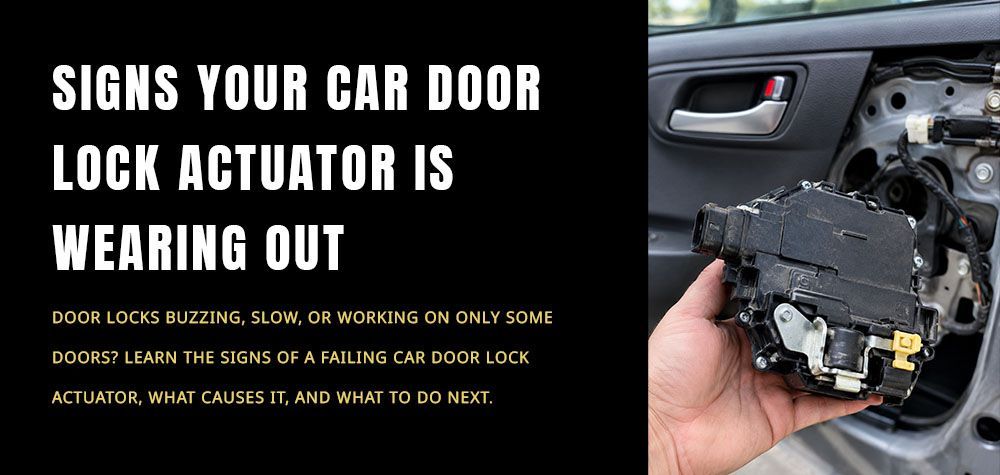
Door locks buzzing, slow, or working on only some doors? Learn the signs of a failing car door lock actuator, what causes it, and what to do next.
Car door unlocks but won't open? Learn the common causes, from child locks to broken latches and handle cables, plus what to try before calling a pro.
Waiting for a lock to fail costs more than checking it early. Here's how often to inspect commercial locks, and what events should trigger a check sooner.
Installed access control but still not getting the benefits? Here are the most common mistakes small businesses make, and how to avoid them.
An employee's departure leaves behind keys, codes, and credentials. Here's a step-by-step checklist to close every access gap before it becomes a risk.