

Key Duplication: What You Need to Know to Stay Safe
January 25, 2022
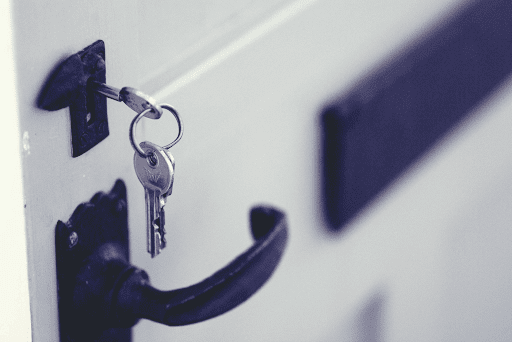
Most people will create a copy of their residential house key at some point in their lives. We recommend doing this sooner rather than later – so you’re always prepared. However, there are a few things to keep in mind when creating a duplicate of your house key
.
How Spare Keys Are Made
First, let’s dive into how key duplications are made. The original key is placed in a tool with a blank key directly on top. The key guide, or alignment bar, ensures they are properly lined up. Then, the key duplicator cuts through the blank key using the original key like a template. Once the tool has created a copy, a lock technician will sand the duplicate to make sure it precisely matches the original. Most keys are made from brass or a nickel-brass mixture. Your lock tech will choose the right kind of blank key to match the existing one. It’s important to always use the original key for duplications. In addition to unique etchings, each key has different depth cuts. By using the original key, duplicates will be more accurate.
You may wonder why you should have professional lock tech duplicate your key instead of using a self-service kiosk. The answer is simple— there’s no way to tell whether those machines are regularly calibrated and maintained. Over time, kiosk machines will likely decline in performance, which means your duplicate key may not actually be a duplicate. Also, these kiosks cannot choose the perfect blank, like a lock tech can. We recommend always using a professional service when getting your key copied.
Why Duplicate a Key?
It’s always better to have a spare key than to be locked out. It helps save a lot of time in emergencies, and may bring you a sense of comfort. There’s a lot of reasons you may want a spare, including:
- Losing the original— If you lose your original key, the spare can act as a backup until you get it replaced.
- Getting locked out— This makes getting in your home much quicker and less stressful.
- Multiple residents in a home who need access— You may need to give a key to each member of the family, including children.
- Giving a neighbor or family member access— Giving a trusted person access to your home helps in emergencies and when you’re out of town.
Staying Safe With Duplicates
When giving a spare key to a child or young adult, always make sure it’s on a key ring, and teach them how to keep it safe. They shouldn’t carry the key while they’re walking, as this increases the risk of losing the key. This also makes the key visible to others, which could put your child and your home in danger. Children should keep their spare keys in their backpacks until they get home.
You may be duplicating a key so you can give a copy to a neighbor or family member. Always be sure you trust the people you give spare keys to. This can be helpful for several reasons. Specifically, someone with a spare key to your home can check the mail and take out your trash while you’re on vacation. This will also make your home appear occupied, reducing the risk of burglaries.
You may decide you want a copy of your key to store around the perimeter of your home in case of emergencies. In this case, always make sure the key is well-concealed in a creative hiding spot. The
worst
spot to hide your spare key is under a doormat, or in a flower pot near the door. These are obvious locations for burglars to find them. Instead, try hiding the key:
- In a magnetic key holder located under your car
- In a fake hollow rock that blends in with its surroundings
- In the grill or doghouse in the backyard
- In a birdhouse
- Underneath the foam liner in a shoe
Regardless of why you want to duplicate your house key, there’s a smart way to do it. Always go to a locksmith over a kiosk to make sure you have a quality duplicate. Only share your key with trusted individuals and never hide it in plain sight. By having a spare key on hand, you’re saving money and avoiding stress. Brothers Locksmith is here for all your locksmithing needs. Whether it’s duplicating a house key,
, or installing brand
on your home, we’ve got you covered. Stay safe with Brothers Locksmith!
Call Us Any Time!
Key stuck, hard to turn, or car won't start? Learn the signs of a failing ignition cylinder, what causes it, and what to do before you get stranded.
Restricted key systems stop unauthorized copies. Learn how restricted keyways, patents, and authorization work, and if your business needs one.
A key control policy shows who holds keys, who can copy them, and what happens when one is lost. Learn what to include and who should own it.
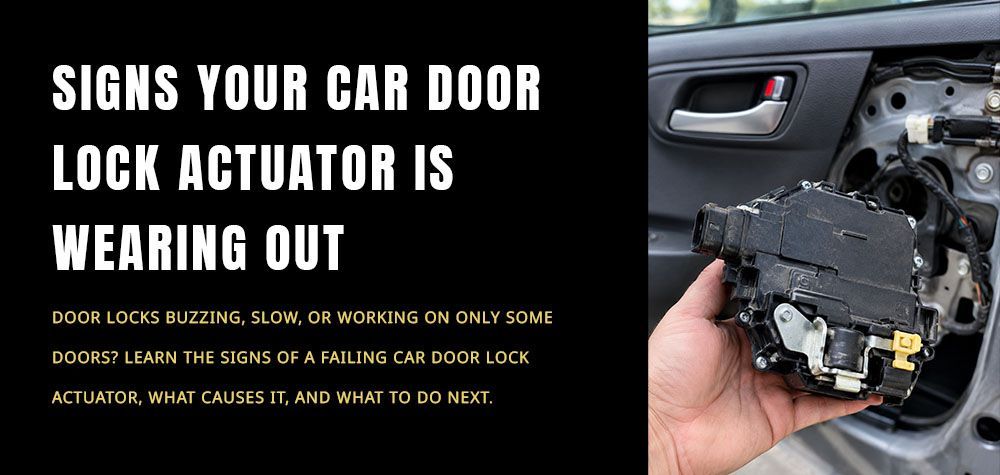
Door locks buzzing, slow, or working on only some doors? Learn the signs of a failing car door lock actuator, what causes it, and what to do next.
Car door unlocks but won't open? Learn the common causes, from child locks to broken latches and handle cables, plus what to try before calling a pro.
Waiting for a lock to fail costs more than checking it early. Here's how often to inspect commercial locks, and what events should trigger a check sooner.
Installed access control but still not getting the benefits? Here are the most common mistakes small businesses make, and how to avoid them.
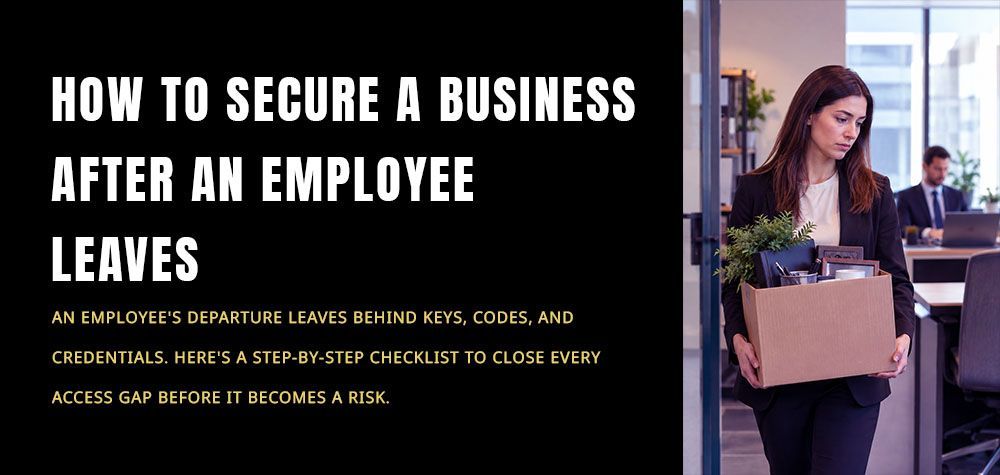
An employee's departure leaves behind keys, codes, and credentials. Here's a step-by-step checklist to close every access gap before it becomes a risk.