Guide to Keyless Door Locks
In recent years, the evolution of home security has seen a remarkable shift from traditional lock-and-key systems to innovative keyless entry door locks. These technological marvels have not only revolutionized the way we secure our homes and businesses but have also ushered in an era of unparalleled convenience and control. With keyless entry door locks, the days of fumbling for keys or worrying about misplaced copies are a thing of the past.
Instead, homeowners and property managers now enjoy the peace of mind that comes with sophisticated access control systems, granting entry with just a code, a fingerprint, or a smartphone. As we delve deeper into the realm of keyless entry, we unravel the complexities of these cutting-edge devices, exploring their workings, myriad benefits, and the considerations necessary to make an informed choice. Join us on this journey as we unlock the door to a safer, smarter future in home security.
Read more about Lock a door without lock!
What is Keyless Entry Door Lock?
A keyless entry door lock, also known as a smart lock, is a modern security device designed to enable users to lock and unlock doors without the need for a traditional physical key. Instead, these innovative locks utilize advanced technology such as electronic keypads, biometrics (like fingerprints), or wireless connectivity (such as Bluetooth) to grant access. Keyless entry door locks offer a convenient and secure alternative to traditional lock-and-key systems, providing users with greater control over who can enter their premises and eliminating the hassle of managing physical keys.
Types of Keyless Door Locks
Keyless door locks employ various mechanisms to grant access, offering convenience, security, and flexibility. Here's how some of the most common types work:
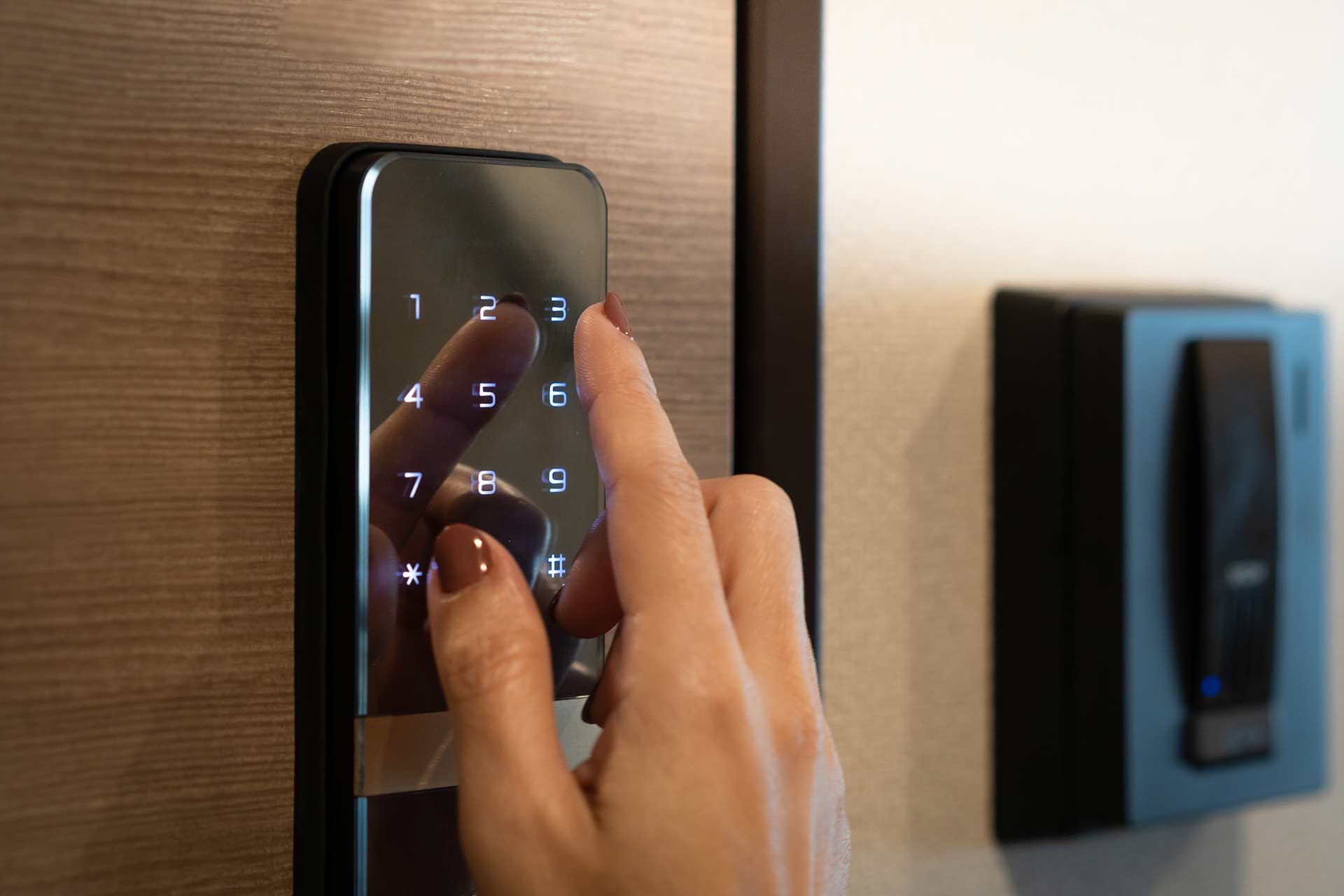
- Keypad Door Locks: These locks feature a numeric keypad mounted on the exterior of the door. Users input a unique code consisting of numbers, typically four to eight digits long, to activate the lock mechanism and gain entry. The code serves as the digital "key" to unlock the door. Keypad locks allow for easy access management by enabling users to create multiple codes for family members, friends, or service providers.
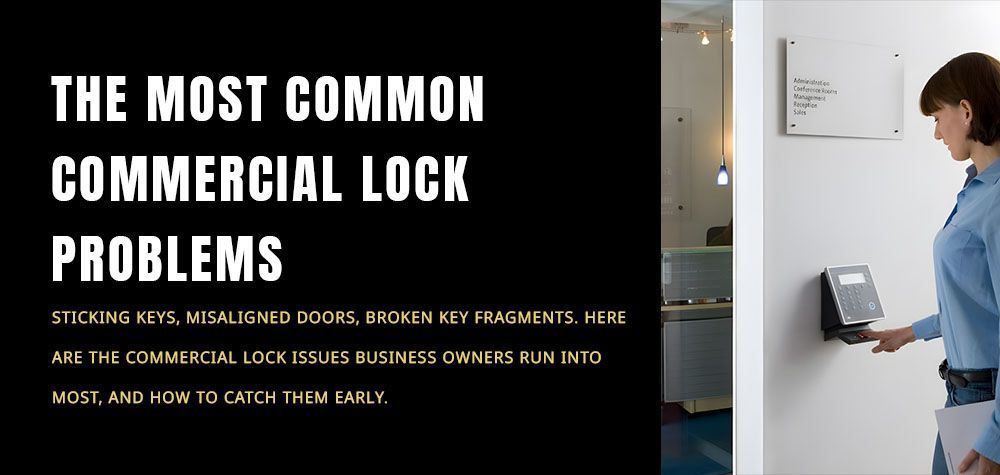
- Biometric Door Locks: Biometric locks use advanced fingerprint recognition technology to authenticate users. Authorized fingerprints are stored in the lock's memory, and when a user places their finger on the biometric scanner, the lock analyzes the unique patterns and ridges of the fingerprint to verify the person's identity. If the fingerprint matches an authorized print, the lock mechanism is activated, allowing entry. Biometric locks offer high security and convenience, as users don't need to remember codes or carry physical keys.
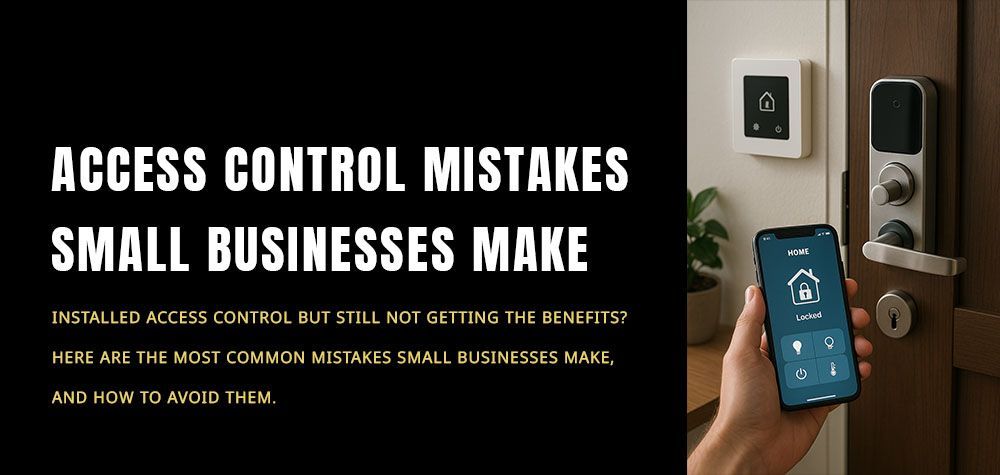
- Bluetooth-Enabled Door Locks: These locks utilize wireless connectivity and smartphone technology. By connecting to a dedicated mobile app via Bluetooth, users can remotely control and monitor the lock, granting access to themselves or others within proximity. With Bluetooth locks, users can unlock or lock the door using their smartphones, eliminating the need for physical keys. Some models offer additional features like auto-unlock when the phone is nearby.
- Other Types: Additionally, there are RFID locks, which use Radio Frequency Identification (RFID) technology to grant access via cards or fobs, and remote control locks, which function similarly to traditional car remote systems, allowing users to unlock or lock the door with a button on a dedicated remote control. These types provide alternative methods of keyless entry, each with its own set of benefits and applications
Types of Keyless Door Locks
Keyless door locks come in various types, each employing different technologies to provide secure and convenient access control. Here are the main types:
- Keypad Door Locks: Keypad locks feature a numeric keypad mounted on the exterior of the door. Users input a unique code to activate the lock mechanism and gain entry. They offer flexibility in access management, allowing users to create multiple codes for different individuals.
- Biometric Door Locks: Biometric locks use fingerprint recognition technology to authenticate users. Authorized fingerprints are stored in the lock's memory, and users gain entry by placing their finger on the biometric scanner. These locks offer high security and eliminate the need for physical keys or codes.
- Bluetooth-Enabled Door Locks: Bluetooth locks connect to smartphones or other authorized devices via Bluetooth. Users can remotely control and monitor the lock using a dedicated mobile app, granting access to themselves or others within proximity. Bluetooth locks offer convenience and advanced access control options.
- RFID Locks: RFID locks utilize Radio Frequency Identification technology, allowing users to gain entry by swiping or tapping RFID cards or fobs near the lock. These locks are commonly used in commercial settings and offer fast and convenient access control.
- Remote Control Locks: Remote control locks function similarly to car remote systems. Users can unlock or lock the door with a button on a dedicated remote control device. These locks provide keyless entry with the convenience of remote operation.
Read more about Garage door lockout!
Benefits of Keyless Entry Locks
Keyless entry door locks offer several benefits, making them a popular choice for homeowners, property managers, and businesses alike. Here are some of the key advantages:
- Enhanced Security: Keyless entry locks provide an advanced level of security compared to traditional locks. With no physical keys to duplicate, there's a reduced risk of unauthorized access. Many smart locks offer additional security features such as real-time access notifications, allowing you to monitor who enters and exits your property.
- Convenient Access Control: Keyless entry eliminates the need for physical keys, simplifying access control for homeowners and property managers. Instead of distributing keys, you can grant access through digital means such as codes, virtual keys, or biometrics. This reduces the risk of lost or stolen keys and minimizes the inconvenience of key management.
- Flexibility and Customization: Keyless locks offer flexibility and customization options to suit your specific needs. You can create multiple access codes for different individuals, set access schedules, and integrate the lock with home automation systems for added convenience. This allows you to tailor access control according to your preferences.
- Remote Access and Monitoring: Bluetooth-enabled locks allow you to control and monitor your lock remotely using a smartphone or other authorized devices. You can lock or unlock the door from anywhere, grant temporary access to guests or service providers, and receive real-time notifications about lock activity. This provides peace of mind, especially when you're away from home.
- Ease of Installation and Integration: Many keyless entry locks are designed for easy installation and integration with existing doors and hardware. They typically require minimal modifications and can be installed without the need for professional assistance. Additionally, keyless locks can seamlessly integrate with smart home ecosystems, offering a cohesive user experience.
Key Considerations Before Purchasing
Before purchasing a keyless entry door lock, there are several key considerations to keep in mind to ensure you select the right lock for your needs:
- Battery Life: Keyless locks rely on batteries for power, so it's essential to choose a lock with reliable battery life. Look for locks with long-lasting battery performance and consider models with low-battery indicators or alerts. This way, you'll be notified when the batteries are running low, preventing unexpected lockouts.
- Compatibility: Check the compatibility of the keyless lock with your existing doors and hardware. Some locks may require specific door preparations or modifications, such as certain door thickness or pre-drilled holes. Ensure that the lock you choose is suitable for your door type and can be installed without major alterations.
- Security Features: Evaluate the security features offered by the keyless lock. Look for locks with advanced encryption methods and tamper-resistant designs to prevent unauthorized access. Additionally, consider locks with additional security measures such as built-in alarms or anti-pick technology for added protection.
- Access Control Options: Consider the access control options provided by the lock. Determine whether the lock allows you to create multiple access codes, grant temporary access to guests, or integrate with other smart home devices for enhanced functionality. Choose a lock that offers flexibility and customization in access management.
- Installation Process: Assess the installation process of the keyless lock. Look for locks that come with clear installation instructions and require minimal tools and expertise for installation. If you're not comfortable installing the lock yourself, consider hiring a professional locksmith for assistance.
- User Interface: Evaluate the user interface of the keyless lock. Ensure that the lock features an intuitive interface with easy-to-use controls and clear feedback indicators. Consider factors such as keypad layout, display visibility, and responsiveness when selecting a lock for optimal user experience.
- Warranty and Support: Check the warranty and support provided by the lock manufacturer. Look for locks that come with a warranty period and responsive customer support services. This ensures that you can receive assistance in case of any issues or malfunctions with the lock.
Tips to Maintain Keyless Door Locks
Maintaining your keyless door locks is essential to ensure their proper functioning and longevity. Here are some tips to help you maintain your keyless door locks:
- Regular Cleaning: Regularly clean your keyless door lock's keypad or biometric scanner to remove any dirt, dust, or debris that may accumulate over time. Use a soft, lint-free cloth or a mild cleaning solution recommended by the lock manufacturer. Avoid using abrasive cleaners or harsh chemicals that may damage the surface of the lock. Cleaning the keypad or scanner helps maintain accurate readings and prevents lock functionality interference.
- Battery Replacement: Keyless door locks rely on batteries for power, so staying proactive and replacing them before they completely deplete is crucial. Most locks will provide a low-battery warning through LED indicators or audible alerts. When you receive a low-battery notification, promptly replace the batteries with fresh ones to ensure uninterrupted operation. Keep spare batteries on hand to quickly replace them when needed. Regular battery replacement prevents lockouts and ensures your keyless door lock remains functional.
- Firmware Updates: If your keyless door lock supports firmware updates, it is important to check for updates from the manufacturer periodically. Firmware updates often include security patches, bug fixes, and new features that improve the overall performance and security of the lock. Manufacturers may release these updates to address vulnerabilities or enhance functionality. Check the lock manufacturer’s website or app for firmware updates and follow the installation instructions. Keeping your lock’s firmware up to date ensures it benefits from the latest advancements and remains secure against potential threats.
- Addressing Common Issues: Like any technology, keyless door locks may encounter common issues over time. Some common issues include keypad or scanner malfunctions, connectivity problems, or difficulties with battery life. If you encounter any issues with your keyless lock, consult the lock manufacturer’s troubleshooting guide or contact their customer support for assistance. They can guide you on resolving common problems and may offer specific recommendations for your lock model.
- Professional Maintenance: In some cases, seeking professional maintenance for your keyless door lock may be necessary. If you encounter persistent issues or if the lock requires a more in-depth examination or repair, contacting a professional locksmith or the lock manufacturer’s authorized service center can help ensure proper maintenance and resolution of any complex issues.
Conclusion
In conclusion, keyless entry door locks offer a modern and convenient alternative to traditional locks, revolutionizing how we secure our homes and businesses. By eliminating the need for physical keys and incorporating advanced technologies such as keypad entry, biometrics, and Bluetooth connectivity, these innovative devices provide enhanced security, flexibility, and control over access.
Throughout this guide, we've explored the workings of keyless door locks, the various types available, their benefits, key considerations before purchasing, and maintenance tips to ensure their longevity. From keypad locks to biometric scanners and Bluetooth-enabled systems, keyless entry offers a wide range of options to suit different security needs and preferences.
Whether you're a homeowner looking to upgrade your home security or a business owner seeking efficient access control solutions, keyless entry door locks offer numerous advantages. They enhance security by eliminating vulnerabilities associated with physical keys, provide convenient access control options, and offer flexibility for customization.
By understanding how keyless door locks work, considering key factors before purchase, and implementing proper maintenance practices, you can fully embrace the benefits of these innovative devices. Upgrade your security and embrace the future of access control with keyless entry door locks.
Invest in your security today and enjoy the peace of mind that comes with knowing your property is protected by advanced and reliable keyless entry technology.
Call Us Any Time!