The Most Common Commercial Lock Problems
Commercial locks take a beating that residential locks never see, dozens or hundreds of uses a day, multiple people with different habits, doors that see constant traffic from employees, customers, and deliveries alike. It's no surprise that certain problems show up again and again across commercial properties, often in fairly predictable patterns once you know what to look for.
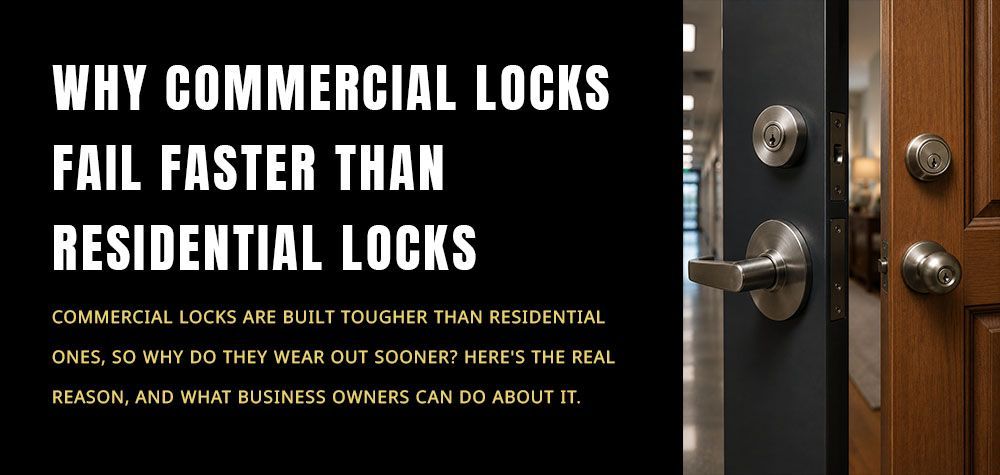
Why Commercial Locks Fail Faster Than Residential Locks
Keys That Stick or Drag Before Turning
This is usually one of the earliest warning signs of a lock nearing the end of its functional life, and it's also one of the most commonly ignored, since a sticky key still technically works. Left unaddressed, a dragging key often progresses toward a key that snaps off inside the cylinder, which turns a minor annoyance into an actual lockout.
Doors That Need a Second Attempt to Lock or Unlock
Heavy commercial doors, combined with high daily traffic, tend to drift out of alignment faster than residential doors do. When a door isn't sitting quite right in its frame, the latch doesn't meet the strike plate cleanly, and staff often compensate by lifting, pushing, or forcing the door, unaware that this extra force is straining the lock mechanism every single time.
Broken Keys Inside the Cylinder
This is a distinctly more common commercial problem than a residential one, largely because commercial keys see so much more use, and because they're often used by multiple people with different levels of care. A key that's already worn or slightly bent is far more likely to snap when someone forces it into a cylinder that's starting to stick, rather than reporting the issue and having it addressed early.
Worn or Loose Master Key Systems
Businesses using a master key system sometimes notice that the master key itself starts feeling looser or less reliable than individual keys, since it's used far more frequently across more doors than any single employee key. This is a sign the master cylinder specifically may need attention, even if individual door locks are functioning normally.
How to Improve Security for Small Retail Stores
Multipoint Lock and Access Control Malfunctions
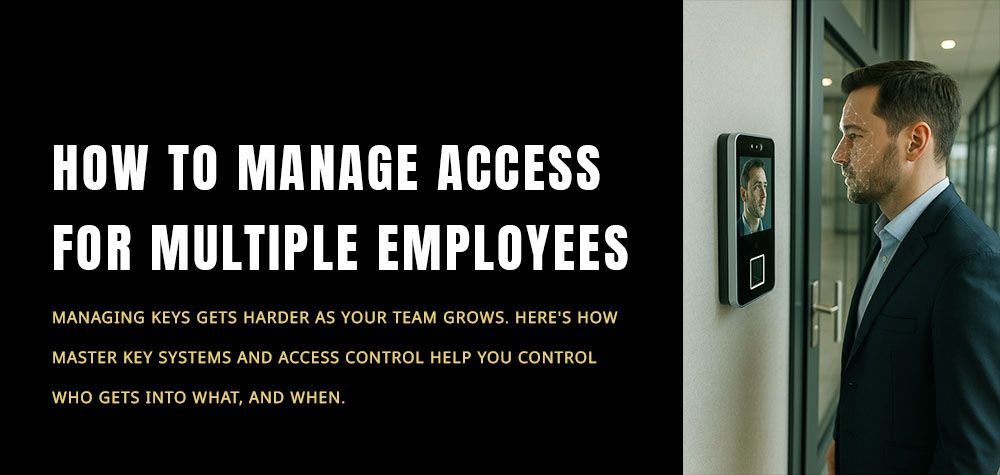
Many commercial doors rely on multipoint locking systems or integrated access control (keypads, card readers, fobs) rather than a single cylinder. These systems add convenience and security, but also introduce more components that can fail, a keypad that stops registering codes reliably, a fob reader that becomes inconsistent, or one point in a multipoint system that no longer retracts cleanly.
Locks That Feel Fine but Fail Without Warning
Occasionally a lock does fail suddenly, with no obvious buildup of symptoms beforehand. This is less common than gradual wear but does happen, particularly with older hardware that was never upgraded despite years of heavy commercial use. It's part of why periodic professional inspection matters, some wear isn't obvious from daily use alone.
Confusion Over Who Currently Has Access
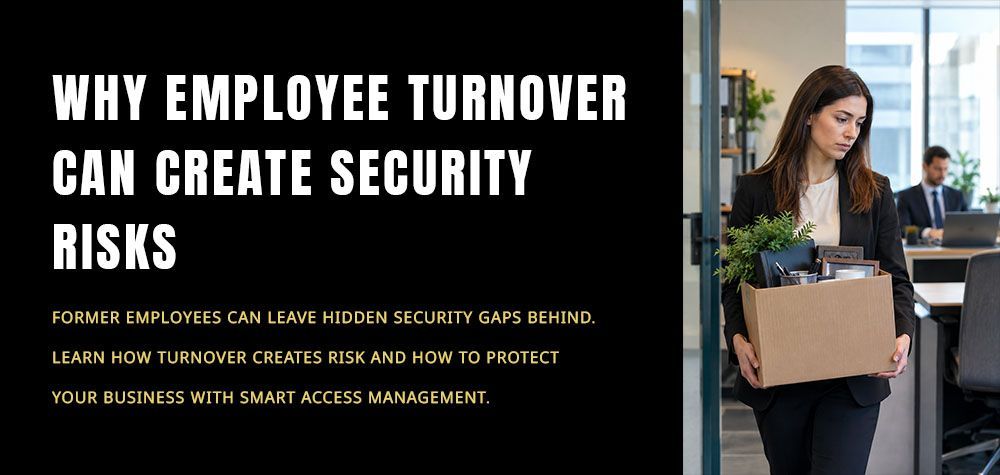
This isn't a mechanical problem, but it's one of the most common issues commercial locksmiths encounter: a business that genuinely isn't sure how many keys or credentials are currently active, often after years of staff turnover without a clear rekeying or access-review process.
What Business Owners Can Do About It
- Report a sticking or dragging key immediately rather than working around it, since early attention prevents a full failure later
- Address door alignment issues promptly, since a misaligned door accelerates wear on an otherwise healthy lock
- Schedule periodic inspections for high-traffic entries, since some wear isn't obvious from daily use
- Keep master key systems in good repair, since the master cylinder experiences more use than any individual key
- Maintain a current record of who has access, updating it as staff changes rather than letting it become uncertain over time
How a Locksmith Can Help
A commercial locksmith can diagnose whether a specific symptom, a sticking key, a hesitant latch, an unreliable keypad, points to a simple adjustment or a hardware issue that needs replacing, often before it turns into a lockout during business hours. Professional commercial lock services cover everything from routine inspections to full master key and access control setups, so recurring problems get addressed at the source rather than patched repeatedly.
Frequently Asked Questions
Q: Is a sticking key something that needs professional attention, or can it wait?
A: It's worth addressing promptly. A sticking or dragging key is often an early sign of internal wear, and waiting increases the risk of the key breaking off inside the lock.
Q: Why do commercial doors go out of alignment more than residential ones?
A: Heavier daily traffic, larger and heavier doors, and building settling over time all contribute, and commercial doors typically experience these factors more intensely than residential doors.
Q: How common is it for a key to break off inside a commercial lock?
A: It's a fairly common commercial locksmith call, largely because commercial keys see so much more daily use across more people than residential keys typically do.
Q: Should access control systems need regular maintenance too?
A: Yes, keypads, card readers, and fobs are mechanical and electronic components that can wear or malfunction over time, similar to traditional lock hardware.
Q: How often should a business have its commercial locks inspected?
A: There's no universal rule, but checking high-traffic entries for wear or misalignment periodically, alongside a more thorough professional inspection roughly once a year, is a reasonable baseline.
Final Thoughts on Commercial Lock Problems
Most commercial lock issues don't appear out of nowhere, they build gradually through heavy daily use, multiple people handling the same hardware, and doors that see far more traffic than a home ever would. Recognizing the early signs, a dragging key, a door that needs extra force, a master key that feels looser than it should, gives business owners the chance to address problems while they're still simple fixes rather than full failures at the worst possible time.
Call Us Any Time!