How to Manage Access for Multiple Employees
When a business only has a few employees, access is simple — everyone knows who has a key and who doesn't. But once a business grows past a handful of workers, it becomes a bigger issue. It's no longer just "who has a key," but which doors each person can open, what times they're allowed in, and how quickly that can change when someone joins or leaves.
Many businesses skip planning this out and just hand out access as needed. Over time, this leads to a messy situation where almost everyone has access to almost everything. It might seem fine at first, but it creates real risks — security gaps, no clear record of who went where, and no easy way to fix things when something goes wrong.
Rekeying Locks in Commercial Properties: A Comprehensive Guide
The Problem With Identical Keys for Everyone
The simplest approach, cutting the same key for every employee, is also the one that creates the most risk as a team grows. It means every employee has access to every space, whether they need it or not, and if one key goes missing or is copied without authorization, the only real fix is rekeying every affected lock, not just addressing the one person involved.
Tiered Access Through a Master Key System
A master key system solves this without requiring a full access control setup. Employees get keys that open only the areas relevant to their role, a stockroom, a sales floor, a break room, while managers or owners hold a master key that opens everything. This means access can be tailored by role without needing a separate lock and key for every single door combination.
When Physical Keys Stop Being Enough
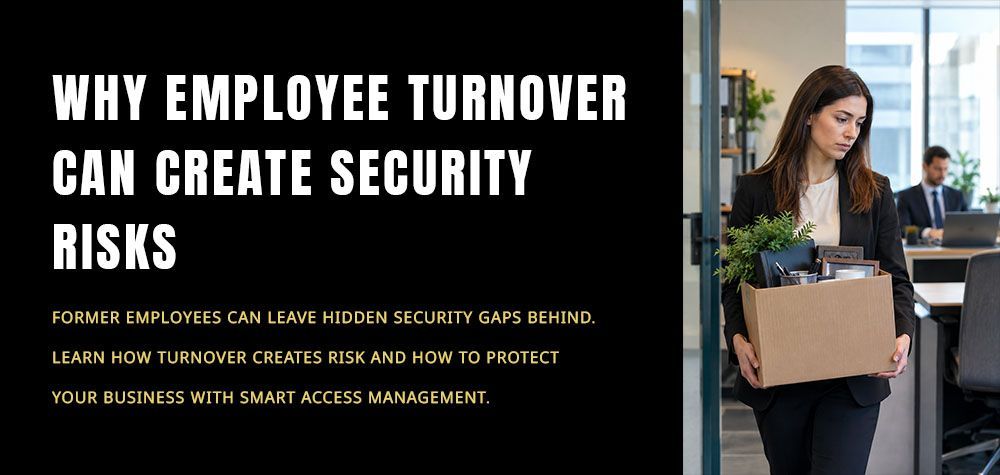
Master keys work well for many businesses, but they still carry one limitation: once a key is out, you can't track its use or revoke it individually without changing the lock itself. For businesses with a larger staff, multiple shifts, or frequent turnover, this becomes a meaningful gap, since every departure or lost key potentially means rekeying rather than a quick digital adjustment.
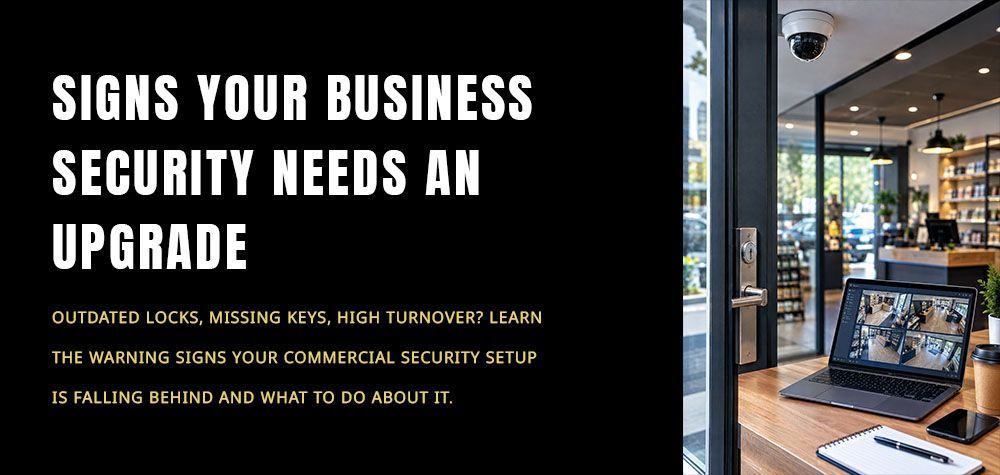
Signs Your Business Security Needs an Upgrade
What Access Control Systems Add
Access control, using key fobs, cards, or PIN codes instead of physical keys, gives a business considerably more granular control. Each employee's credential can be tied specifically to them, access can be limited to certain hours if relevant, and if someone leaves or a fob is lost, that single credential can be deactivated instantly without affecting anyone else's access or requiring a rekey.
For businesses managing several employees across shifts, or with sensitive areas like a safe room or server closet, this level of control tends to justify the added cost fairly quickly.
Matching the System to Your Actual Team Size
Not every business needs the same level of complexity. A small team of two or three employees may do just fine with a straightforward key or basic master key setup. A business with a dozen or more staff, multiple entry points, or regular scheduling changes benefits more from access control, since the administrative overhead of managing individual keys grows along with the team.
Building a Simple Access Policy
- Map out your actual access needs — which roles need which doors, and whether any spaces should be restricted to owners or managers only
- Choose the right system for your size — a master key setup for smaller teams, access control for larger or higher-turnover teams
- Keep a current record of who has access to what, updated as staffing changes rather than reviewed only occasionally
- Build access removal into offboarding as a standard step for every departure, not an afterthought
- Review the system periodically, especially after any significant change in staff size or business layout
How a Locksmith Can Help
A commercial locksmith can assess your current setup and recommend whether a master key system, access control, or some combination fits your business best, then handle the installation and any necessary rekeying as part of the same process. Professional commercial lock services cover both approaches, so the system you end up with actually matches how your team operates day to day.
Frequently Asked Questions
Q: Is a master key system enough for a small business, or do I need access control?
A: For smaller teams with infrequent turnover, a master key system is often sufficient. Access control becomes more valuable as staff size, shift complexity, or turnover increases.
Q: What happens if an employee with a fob or card leaves the company?
A: Their specific credential can be deactivated immediately, without affecting other employees' access or requiring any physical rekeying.
Q: Can a master key system and access control be used together?
A: Yes, some businesses use access control for primary entry points and a master key system for secondary or storage areas, depending on their specific layout.
Q: How much does it cost to switch from keys to an access control system?
A: Costs vary based on how many doors and credentials are involved. A locksmith can provide a specific quote after assessing your business's layout and needs.
Q: What's the biggest mistake businesses make with employee access?
A: Giving every employee identical, unrestricted access regardless of role, which removes any ability to limit or track access without affecting the entire team.
Final Thoughts on Managing Employee Access
As a team grows, access management stops being something you can handle informally without eventually creating a gap somewhere. Whether that means a tiered master key system or a full access control setup depends on your specific team size and turnover, but the underlying goal is the same either way: knowing exactly who can get into which parts of your business, and being able to adjust that quickly when your staff changes.
Call Us Any Time!