How to Improve Security for Small Retail Stores
Running a retail store means juggling a hundred things at once, and security is one of those areas that's easy to leave running on autopilot, the same locks since opening day, the same set of keys floating around, an alarm code nobody's changed in years. The problem is that break-ins and internal theft tend to target exactly that kind of predictability. Improving a store's security doesn't require a massive budget or a full overhaul, it mostly comes down to closing the specific gaps that criminals actually look for.
Start With Your Entry Points
Every door, window, and stockroom entrance is a potential way in, and they're rarely all protected equally. Front doors usually get the nicest hardware, while back doors, delivery entrances, and stockroom exits often get whatever was installed when the building was built. Commercial-grade deadbolts on every exterior door, not just the front, close a gap that's more common in retail spaces than most owners realize.
Why Garage Entry Doors Need Better Security
Door Frames Matter as Much as the Lock Itself
A high-quality deadbolt installed in a weak frame can still be kicked in. Reinforced strike plates and longer screws that reach into the surrounding framing, rather than just the door jamb, close this gap for a relatively small cost, and it's a step that's frequently skipped even when the lock itself has been upgraded.
Rethink Who Has Keys, and to What
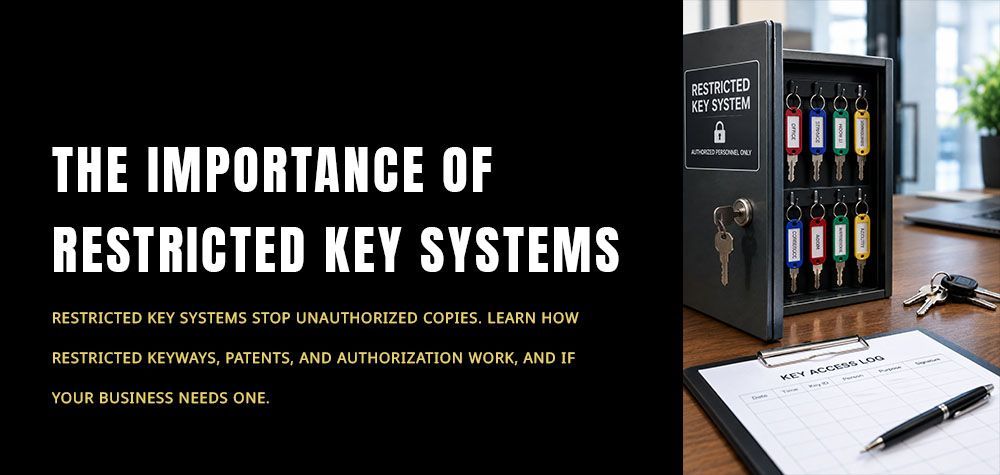
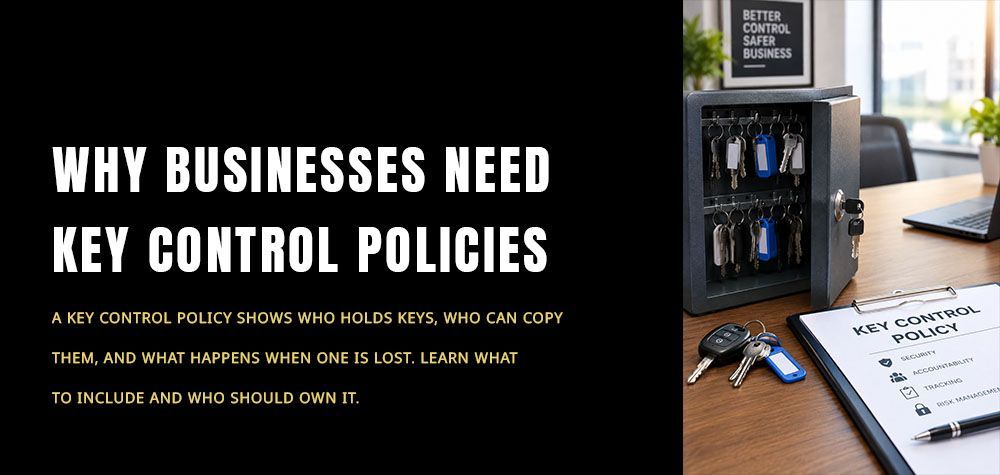
This is where a lot of small retail stores unintentionally create risk. Master keys get handed out generously in the early days, employees come and go, and years later nobody's entirely sure how many keys are floating around. A master key system solves this properly, giving staff access to exactly the areas they need, the sales floor but not the safe room, for example, without cutting a separate key for every single door.
Rekey When It's Actually Warranted
Many store owners only think about rekeying when moving into a new space, but a few other moments genuinely call for it too: after any employee with key access leaves, if you're not confident how many copies of your keys exist, after any break-in attempt, and after a subcontractor or cleaning crew has had temporary access. Rekeying is generally fast and affordable, far less expensive than dealing with an actual break-in.
Consider Access Control for High-Traffic or Multi-Employee Stores
If you're managing a team across multiple shifts, physical keys start to become a genuine liability, they get lost, copied without your knowledge, or simply not returned. Access control, using fobs, cards, or keypad codes instead of keys, gives you much tighter control, including the ability to instantly disable a single credential if someone leaves or a fob goes missing, without touching the rest of your system.
Don't Overlook the Safe
If your store keeps cash on-site, even briefly, the safe deserves the same scrutiny as your doors. An underpowered or improperly installed safe is one of the more common weak points in retail security. Bolted-down, commercial-grade safes offer a meaningfully different level of protection than something bought off the shelf and left sitting in a back room.
Cameras and Alarms Work Best as a Layer, Not a Substitute
Cameras and alarms are valuable, but they mostly document or deter, they don't physically stop someone from getting in. The strongest setups treat locks and access control as the actual barrier, with cameras and alarms as backup layers that catch what does get through.
Why Commercial Locks Fail Faster Than Residential Locks
What to Do, Step by Step
- Upgrade all exterior doors to commercial-grade deadbolts, not just the front entrance
- Reinforce door frames and strike plates, especially on back and stockroom doors
- Set up a master key system rather than handing out identical full-access keys
- Rekey after any employee departure or suspected unauthorized access
- Evaluate whether access control makes sense for your staff size and traffic
- Confirm your safe is properly rated and secured, not just present
How a Locksmith Can Help
A commercial locksmith can walk through your store, flag the highest-priority gaps, and recommend fixes that match your actual risk level and budget. Professional commercial lock services cover master key systems, access control installation, rekeying, and high-security lock upgrades built specifically for retail storefronts.
Frequently Asked Questions
Q: What's the single most affordable security upgrade for a small retail store?
A: Rekeying is usually the most affordable meaningful upgrade, especially if you're not confident how many keys are currently in circulation.
Q: Do I need access control if I only have two or three employees?
A: Not necessarily. Traditional keys or a simple master key system are often sufficient for very small teams. Access control becomes more valuable as staff size and shift complexity grow.
Q: How often should a retail store rekey its locks?
A: There's no fixed schedule, but rekeying after any employee departure with key access, a break-in attempt, or general uncertainty about existing keys is a reasonable standard.
Q: Is reinforcing a door frame really necessary if I already have a good lock?
A: Yes. A strong lock installed in a weak frame can still be defeated by force. Reinforcement closes a gap that lock quality alone doesn't address.
Q: Should cameras or better locks come first for a limited security budget?
A: Locks and access control are generally the higher priority, since they're the actual physical barrier. Cameras and alarms work best as a supporting layer once that foundation is solid.
Final Thoughts on Retail Store Security
Meaningful retail security improvements rarely require replacing everything at once. Identifying the two or three biggest gaps, weak entry points, uncontrolled key access, an under-secured safe, and addressing those first gets a store most of the way to a genuinely more secure setup without an unnecessary overhaul.
Call Us Any Time!